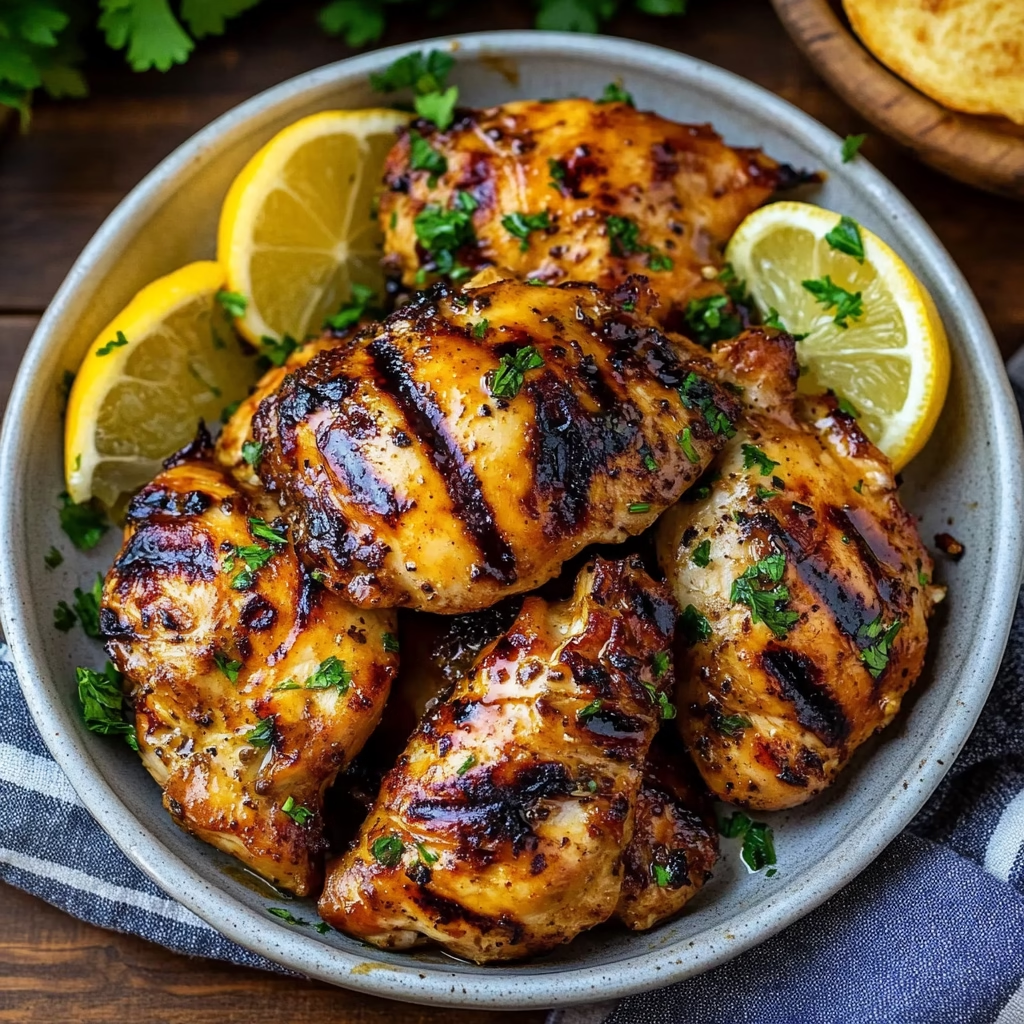
The Best Chicken Marinade is the secret weapon home cooks have been searching for. Whether you crave juicy grilled breast, tender pan-seared strips, or smoky barbecue bites, this versatile blend transforms ordinary chicken into a flavor-packed masterpiece. Infused with zesty lemon, tangy vinegar, and bold herbs, it’s designed to caramelize beautifully without overpowering the natural chicken taste. From weeknight dinners to weekend feasts, this recipe is your shortcut to restaurant-quality results without the hassle.
My kitchen in New York has seen this marinade save many a dinner hour. A few years ago, I burned through a recipe that relied on wine-based marinades, only to find out I had no red wine in the fridge. That night, I improvised with lemon juice, soy sauce, and mustard—what became this recipe. Now, it’s a staple not just for my family but for countless readers who’ve shared how it’s elevated their grilling games in their own kitchens. The Best Chicken Marinade isn’t just about flavor—it’s about adaptability and confidence for every home cook.
What is The Best Chicken Marinade?
This marinade is a modern American classic, built on the marriage of acidic brightness and savory depth. The core components—garlic, olive oil, and balsamic vinegar—create a base that tenderizes while infusing the chicken with multidimensional flavor. Unlike traditional Asian or Mediterranean marinades that lean heavily on one culture’s spices, this formula strikes a balance between sweet, sour, salty, and sharp. The brown sugar adds a subtle caramel crust when grilled, while Dijon mustard gives it a peppery backbone that holds its own against bold seasonings.
While the exact recipe has evolved through trial and error (trust me, there were plenty of kitchen mistakes), the foundation remains rooted in accessible pantry staples. You won’t find any obscure ingredients here—just everyday pantry items combined in a way that feels brand-new each time you use them. The magic lies in the synergy of lemon juice and soy sauce, which break down the chicken’s proteins without leaving it mushy, plus the brown sugar that creates a beautiful, golden finish whether you’re searing in a skillet or roasting in the oven.
Reasons to Try The Best Chicken Marinade
Let’s be real: most chicken marinades either underwhelm or require you to hunt for international ingredients. This one changes the game. First, it’s universally compatible. Use it for grilled chicken breasts, shredded thighs for sandwiches, or even as a base for baked nuggets. Second, it’s time-efficient. A 10-minute preparation time means you can marinate your chicken while you’re prepping the rest of your meal, making this a perfect solution for busy weeknight dinners. Third, it’s beginner-friendly but still impresses advanced cooks—no one in their 20s or 40s will hesitate to try this, because the instructions are crystal-clear and the ingredients are pantry-ready.
Parents, consider this your new dinner lifesaver. A perfectly marinated chicken that your kids won’t fight you over (because who doesn’t love crispy, juicy chicken?). For urban New Yorkers juggling a tiny kitchen and a busy schedule, the resealable bag method makes marinating mess-free. And for foodies who love experimenting, this base opens endless customization possibilities—just tweak the herbs or swap out the mustard for something with a smoky kick. It’s the kind of recipe that makes you say, “Oh, I can improvise with this?”
Ingredients Needed to Make The Best Chicken Marinade
- 1/2 cup olive oil (use extra virgin for a richer flavor)
- 1/4 cup freshly squeezed lemon juice (about 2 lemons)
- 1 tablespoon minced garlic (or 1 clove crushed and let sit for 5 minutes)
- 1/4 cup balsamic vinegar (not the grocery store “balsamic dressing”)
- 1/4 cup soy sauce (low-sodium if you want to control salt levels)
- 1/4 cup Worcestershire sauce (the original Heinz brand works best)
- 1/3 cup brown sugar (demerara or turbinado would add texture)
- 2 teaspoons dried Italian seasoning (oregano, basil, thyme)
- 1 tablespoon Dijon mustard (spicy brands like Maille are key here)
- 2 teaspoons kosher salt (fine grind for even distribution)
- 1 teaspoon freshly ground black pepper
Pro tip: Double the recipe and freeze half in an airtight container. Thaw the night before using, then stir to re-mix the oil and liquid components.
Instructions to Make The Best Chicken Marinade – Step by Step
Step 1: Start by assembling your ingredients at room temperature. The key to a smooth marinade is ensuring all liquids are at the same temperature when mixed. If your olive oil is solidified from the fridge (it happens—even in NYC winters), let it sit in a warm bowl for 10 minutes. In a large bowl or gallon-sized zip-top bag, combine the olive oil, lemon juice, and balsamic vinegar first. These form the base that will emulsify the rest of the mixture. A whisk is best if using a bowl; for zip bags, seal tightly and give it a few vigorous shakes.
Step 2: Now add the soy sauce and Worcestershire sauce. These two powerhouses contribute deep umami. The soy adds brininess, while the Worcestershire brings a fermented richness. Swish or shake the bowl/bag again until fully combined. Then sprinkle in the brown sugar and continue mixing. You’ll hear the sugar granules blending into the liquid—this is the sweet note that will caramelize beautifully later.
Step 3: Add the garlic, Dijon mustard, Italian seasoning, salt, and pepper. The mustard acts as a binding agent for the herbs and spices, helping them adhere to the chicken. Garlic adds pungency, and the herbs bring in that classic Italian flair with a slight tanginess. If you’re using dried spices, ensure they’re well distributed. At this stage, you should notice a balance of sharp acidity, tangy sweetness, and warm pepperiness. Give the marinade a quick taste—if it seems flat, swirl in a few drops of extra lemon juice; if it’s too sweet, balance it with a splash of more balsamic vinegar.
Step 4: Add 2-3 pounds of chicken breast, thighs, or drumsticks. The best results come from cutting the chicken into even pieces (1-inch thickness for breasts) so the marinade can penetrate evenly. Seal the bag or cover the bowl, then massage the chicken gently to coat it thoroughly. Let it sit in the fridge for at least 1 hour—3-4 hours is ideal—and no longer than 12 hours, or the acid will start to over-tenderize rather than enhance flavor.
Step 5: When ready to cook, remove the chicken from the marinade and let it come to room temperature for 30 minutes. Discarding the leftover marinade is crucial—it contains raw chicken juices and shouldn’t be reused. Pat the chicken dry with paper towels to ensure a good sear. Proceed with your chosen cooking method: grill for 6-7 minutes per side at medium heat, sauté in a hot skillet for 4-5 minutes per side, or bake at 400°F for 20-25 minutes. The chicken is done when the internal temperature reaches 165°F and the juices run clear. Resist the urge to move it too often—this helps build a perfect crust.
Chef’s Tips for a Perfect Result
- Use a zip-top bag for even coverage: The pressure inside the bag ensures the marinade reaches every nook and cranny of the chicken, eliminating dry patches.
- Add citrus zests for extra brightness: Grate some lemon or orange zest into the marinade for an aromatic lift and color contrast on the finished dish.
- For basting sauce: Reserve 1/4 cup of the marinade before adding chicken. Boil it down for 5-7 minutes to create a thick, syrupy glaze that adds a glossy finish when brushed on during the last 5 minutes of cooking.
- Rest before cooking: Let marinated chicken sit at room temperature. This ensures even cooking and prevents the chicken from steam-cooking instead of searing properly.
- Pair with acid for grilled chicken: Sprinkle a bit of extra lemon juice or vinegar post-cooking. Grilling can dry out the chicken slightly, and a final burst of acidity reignites juiciness.
Variations and Substitutions
Gluten-Free Alternative
Replace soy sauce with tamari (certified gluten-free) and verify the Worcestershire sauce is gluten-free (brands like Lea & Perrins offer gluten-free versions). Dijon mustard and balsamic vinegar in the U.S. are naturally gluten-free, but double-check labels if avoiding gluten strictly.
Low-Carb Version
Swap brown sugar for a low-carb sweetener like stevia or monk fruit blend. The caramelization effect may be less pronounced, but the marinade’s balance holds up. For a smoky depth, add 1/2 teaspoon of smoked paprika.
Cost-Effective Swap
Use apple cider vinegar instead of balsamic to save money. While it lacks the nuanced flavor, it still creates a tangy marinade base, and you can compensate with extra Italian seasoning or a splash of molasses.
Spicy Kick
Stir in 1-2 teaspoons of hot sauce (Frank’s RedHot is excellent) or finely chopped jalapeño for heat. The sweetness of the brown sugar tempers the spiciness nicely.
How to Serve and Pair
Elevate your marinated chicken with simple yet flavorful pairings that let the dish shine. For a light meal, serve it on top of a bed of herbed quinoa or farro tossed with cherry tomatoes and olives. For heartier options, pair it with roasted sweet potatoes or grilled asparagus—the smoky undertones complement the chicken’s richness. If you’re in the mood for comfort food, use the chicken in a fresh sandwich with avocado and arugula or stuff it into pita pockets with tahini yogurt sauce.
For a global twist, try Middle Eastern falafel wraps with tabbouleh, or create a Mexican-inspired salad with pico de gallo and cilantro-lime dressing. The versatility of this marinade makes it perfect for tailgating, picnics, or even adding to stir-fries. Garnish with fresh herbs like parsley or dill for an instant restaurant-quality presentation. And don’t skip the sides: a simple green salad with a lemon vinaigrette or a creamy coleslaw adds the necessary contrast in texture and temperature.
Storage and Reheating
Refrigerator
Cooked chicken can be stored in an airtight container for up to 3 days. The marinade’s oil content helps keep the meat moist, but you may want to drizzle a bit of extra olive oil or brush with a light basting sauce upon reheating to restore juiciness.
Freezer
Cool the chicken completely and freeze in single layers on a parchment-lined baking sheet. Once frozen, transfer to sealed bags or containers for up to 4 months. Label with the date to track freshness. Thaw in the fridge overnight for best results.
Room Temperature
Uncooked marinated chicken should not sit at room temperature for more than 2 hours. Always refrigerate after marinating to avoid bacterial growth.
Reheating
For oven reheating (best for retaining moisture), preheat to 350°F and warm the chicken for 15-20 minutes, covering with foil to prevent drying. For stovetop, heat a skillet over medium-low and warm the chicken gently, adding a teaspoon of oil or a splash of chicken broth to the pan. Microwave is a last resort—place the chicken on a microwave-safe plate and cover with a damp paper towel to trap moisture.
Nutritional Values
- Calories: 128kcal per serving (serves 8)
- Protein: 1g
- Carbohydrates: 13g
- Fat: 7g
- Fiber: 1g
Approximate values.
Frequently Asked Questions
Can I substitute lime juice for lemon juice?
Yes—lime juice works well in this marinade, adding a tangy twist. The acidity level is equivalent, so no adjustments to the recipe are needed. For a fresh citrus note, you can even use a 50-50 mix of both.
How do I know the chicken is fully cooked?
Use a digital instant-read thermometer. Insert it into the thickest part of the chicken—not touching the bone—and ensure it reads a minimum of 165°F. Alternatively, the chicken should no longer be pink and the juices should run clear when pierced with a fork.
Why is my grilled chicken turning out rubbery?
Rubberiness usually comes from cooking the chicken at too high a heat. This marinade’s sugar can caramelize quickly, so reduce the grill heat to medium and move bone-in pieces to indirect heat for even cooking. Also, never flip the chicken more than once per cooking session.
Can I prepare the marinade in advance?
Absolutely. Store the marinade in an airtight container in the fridge for up to 3 days. If the olive oil solidifies slightly, let it sit at room temperature for 20 minutes before using. The flavor deepens the longer it sits, so making a batch ahead is perfectly fine.
What’s the best way to customize this for family meals?
Add 1-2 chopped scallions or garlic powder for extra bite. For a Mediterranean spin, stir in a teaspoon of oregano and a splash of olive oil. For a bold take, blend in a tablespoon of pesto or chimichurri after marinating for 30 minutes more.
Conclusion
The Best Chicken Marinade is a game-changing blend that brings restaurant-quality flavor to your kitchen. With just a few pantry staples, you can unlock juicy, flavorful chicken that adapts to any cooking method or personal taste. Once you taste that perfect balance of sweet, tangy, and savory notes, you’ll wonder how you ever grilled chicken without it.
PrintThe Best Chicken Marinade

Transform ordinary chicken into a flavor-packed masterpiece with this zesty, tangy marinade. Infused with lemon, vinegar, and bold herbs, it’s a versatile, time-efficient recipe that caramelize beautifully without overpowering the chicken. Perfect for grilling, pan-searing, or roasting.
- Prep Time: 10
- Total Time: 10
- Yield: Enough for 1-2 pounds chicken
- Category: Dinner
- Method: Marinating
- Cuisine: American
- Diet: Vegetarian
Ingredients
2 cloves garlic, minced
2 tablespoons freshly squeezed lemon juice
1/4 cup soy sauce
2 tablespoons balsamic vinegar
2 tablespoons Dijon mustard
3 tablespoons brown sugar
1/4 cup olive oil
2 teaspoons dried thyme
1 teaspoon ground cumin
Optional: 1-2 scallions, sliced for garnish
Instructions
Combine garlic, lemon juice, soy sauce, balsamic vinegar, Dijon mustard, brown sugar, olive oil, thyme, and cumin in a bowl. Mix until well incorporated.
Place chicken in a resealable bag or shallow dish. Pour marinade over chicken, ensuring even coating. Marinate for 10-60 minutes in the refrigerator.
When ready to cook, heat a skillet, grill, or oven to desired temperature. Cook chicken according to your chosen method (grill for 6-7 minutes per side, simmer in a skillet for 3-4 minutes per side, or roast at 375°F for 20-25 minutes). Discard any remaining marinade after use.
Notes
Marinate chicken in the refrigerator to prevent bacterial growth. If using leftover marinade for basting, cook it separately to avoid cross-contamination.
Substitute soy sauce with tamari for a gluten-free version.
Store unused marinade (kept refrigerated and not used on raw chicken) for up to 5 days.