Baked Huli Huli Chicken isn’t just a recipe—it’s a flavor explosion where tropical sweetness meets savory depth. This oven-baked twist on the Hawaiian classic swaps the traditional open flame for a reliable oven method, making it perfect for home cooks who thrive on consistency. Whether you’re a busy parent craving one-pan comfort or a foodie exploring global cuisine, this dish delivers the same bold, caramelized goodness minus the smoke. With every bite, you’ll taste the harmony of pineapple’s tang, soy’s umami, and ginger’s kick—a recipe that feels like a hug for your taste buds.
Let’s dive into why this version of Huli Huli Chicken deserves a permanent spot in your rotation. Beyond the irresistible flavor, it’s a make-ahead marvel, a crowd-pleaser for weekend feasts, and a canvas for creativity. No need to fear the heat of the kitchen—this recipe handles itself like a pro.
What is Baked Huli Huli Chicken?
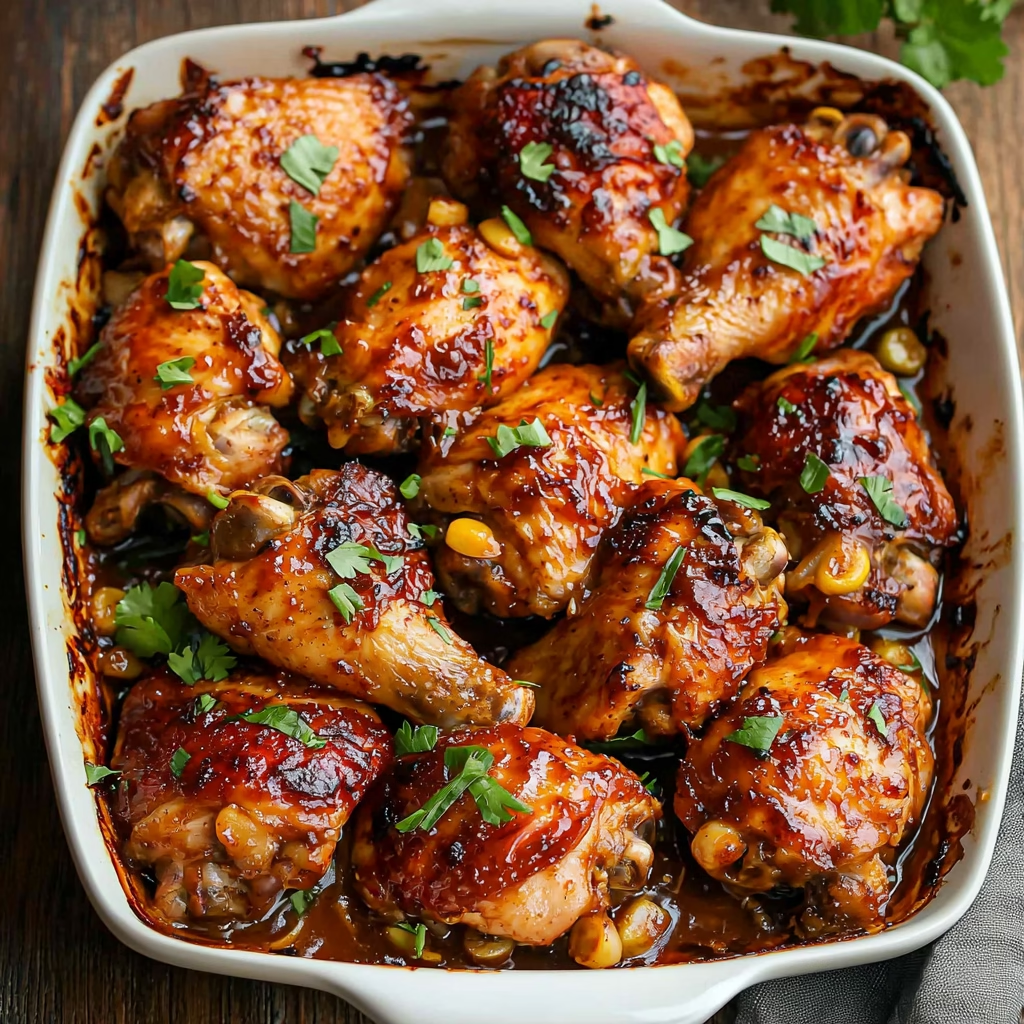
Huli Huli Chicken, native to Hawaii, is a barbecued dish infused with bold, sweet-savory flavors. The name means “to turn around” in Hawaiian, reflecting how the chickens are traditionally rotated over open flames. This baked version retains the soul of the original but simplifies the process for modern kitchens. Think of it as a tropical love letter to chicken—tender thighs marinated in a pineapple-soy sauce, then glazed with a glossy, caramelized coating that sticks to every surface.
The magic lies in the sauce: soy sauce and ketchup form a salty-sweet base, while pineapple juice adds a zesty brightness. Soy, ginger, and garlic create aromatic depth, and sesame oil gives it that unmistakable Asian flair. Cornstarch thickens the glaze into a sticky, golden sheen that clings to the chicken like a second skin. Oven-baking ensures juicy interiors without the mess of open-flame grilling, making it ideal for families or those short on time.
Reasons to Try Baked Huli Huli Chicken
First and foremost, this dish is a shortcut to gourmet flavor without the gourmet stress. Bone-in, skin-on thighs stay moist and rich, while the glaze caramelizes into a lacquered crust. It’s perfect for beginners—just mix the sauce, pour it over, and let the oven work its magic. Busy home cooks will adore that you can prep the chicken ahead and pop it into the oven in the morning. The aroma of caramelizing pineapple and soy will fill your kitchen, turning even the most chaotic morning into a culinary sanctuary.
Trip to Hawaii in your mouth? Yes. Crowd-pleaser? Absolutely. This chicken pairs dazzlingly with rice, noodles, or a crisp salad. It’s also a hit at gatherings, where guests will marvel at how a single pan of chicken can vanish so fast. The real bonus? Leftovers are gold—reheat with a splash of the glaze, and you’ll swear it’s just as good as fresh. Whether you’re feeding a family, hosting a party, or simply craving something extraordinary, this recipe delivers on every level.
Ingredients Needed to Make Baked Huli Huli Chicken
3 pounds bone-in, skin-on chicken thighs (for maximum juiciness)
1 cup pineapple juice (fresh or bottled—look for no additives)
1/2 cup soy sauce (low-sodium if you prefer, but traditional soy delivers best flavor)
1/2 cup packed brown sugar (melted slightly for smooth blending)
1/3 cup ketchup (classic Heinz or your favorite brand)
1/4 cup chicken broth (low-sodium broth balances the sweetness)
2 tablespoons grated fresh ginger (no substitutions here—its sharpness is key)
2 minced garlic cloves (press the bulbs for maximum potency)
2 teaspoons sesame oil (skip if you can’t find, but the nuttiness is irreplaceable)
1 tablespoon cornstarch (to thicken the glaze—use it gently for a velvety finish)
1 tablespoon water (mixed with cornstarch for perfect slurry action)
Optional garnishes: fresh pineapple slices, green onions, sesame seeds (add texture and visual flair)
.
Instructions to Make Baked Huli Huli Chicken – Step by Step
Step 1: Preheat your oven to 375°F (190°C) and line a baking dish with parchment paper for easy cleanup. While the oven heats, pat the chicken thighs dry with paper towels—this helps the glaze cling better and develop a crispier skin. Place them skin-side up in the dish. Don’t overcrowd the pan; if you’re using a large sheet, arrange in a single layer with space between each piece.
Step 2: In a medium saucepan, combine pineapple juice, soy sauce, brown sugar, ketchup, chicken broth, grated ginger, minced garlic, and sesame oil. Place over medium heat, stirring occasionally to meld the aromas. Watch the pot as the liquid reduces—within 10 minutes, you’ll see it start to thicken and darken slightly. This is when you notice the magic: the ginger sharpens, the soy deepens, and the pineapple sings with brightness. The sauce should taste like a tropical cocktail, balanced between sweetness and umami.
Step 3: Once the sauce reaches a low boil, create the slurry by whisking cornstarch and 1 tablespoon water in a small bowl until smooth. Pour this into the saucepan while whisking constantly. Continue simmering for 2-3 minutes. The sauce should coat the back of a spoon without running—think of it as the glaze that’ll transform your chicken into a golden masterpiece. Taste and adjust for balance. A splash of lime juice at this stage can brighten things, but keep it optional.
Step 4: Pour the hot sauce over the chicken thighs, ensuring every inch is coated. Let the sauce seep into the skin and crevices. Don’t worry if it looks too glossy—it’ll caramelize beautifully in the oven. For extra crispiness in the last 10 minutes, baste the chicken once more with the leftover glaze.
Step 5: Slide the baking dish into the oven and let the science of caramelization work its charm. After 45 minutes, check the internal temperature (insert an instant-read thermometer into the thickest part of the thigh—it should hit 165°F). For a darker, more charred finish, return the chicken to the oven for 10-15 minutes. If you notice the sauce drying out, cover loosely with foil to protect it.
Step 6: Rest the chicken for 5-10 minutes before serving. This lets the juices redistribute—impatiently cutting into it will flood the pan with lost flavor. Garnish with pineapple slices, green onions, and sesame seeds for that tropical finish. Serve with steamed jasmine rice or a zesty slaw to balance the richness.
Chef’s Tips for a Perfect Result
- Use room-temperature chicken: Cold thighs take longer to cook and risk drying out. Let the chicken sit at room temperature for 30 minutes before baking.
- Don’t skip the slurry: Cornstarch gives the glaze its glossy finish. Substitute arrowroot powder for a clearer sheen, but stick with cornstarch for authenticity.
- Baste halfway: Turn the chicken over and spoon the sauce over both sides during the second half of baking to build layers of flavor.
- Experiment with pineapple options: Fresh pineapple juice offers a vibrant pop, while canned retains more sweetness. Avoid pineapple cores for smoother texture.
- Try a double batch: The glaze freezes beautifully for future dishes. Freeze in an ice cube tray, then store the cubes in a bag for quick additions to soups or roasted veggies.
Variations and Substitutions
Vegan Option: Replace chicken with marinated tofu or seitan. Use coconut aminos instead of soy sauce for a soy-free, umami boost.
Gluten-Free Alternative: Check the soy sauce and ketchup for gluten. Tamari is a safe alternative that won’t skimp on saltiness.
Budget Swap: Substitute brown sugar with coconut sugar for a tropical twist. Honey works in a pinch, though it’ll amplify the sweetness.
Low-Carb Version: Use monkfruit sweetener instead of brown sugar and serve over cauliflower rice. The glaze remains just as rich without the carb load.
Smoky Kick: Add smoked paprika or liquid smoke to the glaze for a campfire-like finish, perfect for backyard parties.
How to Serve and Pair
Picture this: a plate of golden-brown chicken thighs, their surfaces glazed like molten honey, paired with sticky rice soaked in the leftover sauce. It’s a dish that commands attention. For a tropical twist, serve over coconut rice or with a mango salsa. To balance the richness, offer a side of grilled asparagus drizzled with lime and chili oil.
Pair with a crisp tropical drink—a coconut water soda or a pineapple-infused mojito—without the alcohol. For wine enthusiasts, a Riesling or a buttery Chardonnay complements the sweetness without overpowering the sauce. At family dinners, this chicken turns into the centerpiece your guests ask for again and again.
Storage and Reheating
Refrigerator: Store in an airtight container for up to 4 days. The glaze may thicken slightly; reheat in the oven or microwave until hot.
Freezer: Freeze leftover chicken in a freezer-safe bag for 3 months. Thaw overnight in the fridge before reheating.
Room Temperature: Leave for up to 2 hours max. Always refrigerate leftovers to avoid bacterial growth.
Reheating: The oven is ideal—250°F for 10-15 minutes, uncovered, with a splash of water added to the sauce to restore moisture. For a crunchier skin, broil for 1-2 minutes. Microwaving is a last resort; if you must, cover with a damp paper towel to prevent drying out.
Nutritional Values
Per serving (4 portions):
- Calories: 720
- Protein: 58g
- Carbohydrates: 45g
- Fat: 32g
- Fiber: 1g
- Approximate values.
Frequently Asked Questions
Can I substitute ketchup in the glaze?
Yes, try apricot jam or orange marmalade for a sweet-sour alternative. The texture and color will change slightly, but the umami profile remains intact.
How do I know when the chicken is done baking?
Use a meat thermometer—when the internal temperature hits 165°F in the thickest part, it’s safe. The glaze will bubble and pull away slightly from the edges as it finishes.
Why is my sauce too runny?
Simmer it longer! Reduce the sauce on the stovetop until it thickens, then reincorporate it. Adding another cornstarch slurry (adjusting to 1 teaspoon) will help bind it without overpowering.
Can I make this ahead of time?
Yes! Marinate the chicken in the sauce overnight (cover and refrigerate) for deeper flavor. Assemble just before baking for the crispiest results.
What’s the best way to serve extra sauce?
Drape the chicken thighs with fresh pineapple slices and spoon leftover glaze over the platter. Guests can dip or drizzle it directly onto their plates.
Conclusion
Baked Huli Huli Chicken is a tropical triumph of sweet and savory, baked to perfection. Whether you’re chasing convenience or craving a flavor explosion, this dish delivers. With juiciness locked in by the oven’s gentle heat and a glaze that bursts on your tongue, it’s a recipe that stays in memory. Give it a try—you’ll find yourself dreaming of backyard barbecues, even on your busiest weeknights.
PrintBaked Huli Huli Chicken
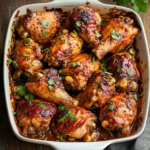
A tropical twist on Hawaiian barbecued chicken, baked to juicy perfection. Juicy thighs soak up a glossy pineapple-soy glaze, delivering bold sweet-savory flavor with aromatic ginger and golden caramelization. A crowd-pleasing one-pan marvel for families and gatherings.
- Prep Time: 15
- Cook Time: 45
- Total Time: 60
- Yield: 4 servings
- Category: Dinner
- Method: Baking
- Cuisine: Hawaiian
Ingredients
4 bone-in, skin-on chicken thighs
1 tablespoon soy sauce
2 tablespoons ketchup
1 tablespoon brown sugar
1/4 cup pineapple juice
2 tablespoons chopped pineapple chunks
1 teaspoon grated ginger
1 clove garlic, minced
1 teaspoon sesame oil
1 tablespoon cornstarch mixed with 2 tablespoons water
Salt and pepper to taste
Instructions
Preheat oven to 375°F (190°C)
In a bowl, mix soy sauce, ketchup, brown sugar, pineapple juice, ginger, garlic, and sesame oil to make glaze
Season chicken thighs with salt and pepper
In a baking dish, place chicken thighs skin-side up, reserving 2 tablespoons glaze to add later
Pour remaining glaze over chicken
Bake for 35 minutes, basting occasionally
Mix cornstarch slurry and stir into remaining glaze; brush over chicken
Broil 3-5 minutes until glaze is glossy and chicken is golden
Notes
Marinate chicken 30 minutes for deeper flavor
Use a meat thermometer to ensure thighs reach 165°F (74°C)
Serve with steamed rice, noodles, or summer salad
Ladle leftover glaze over baked chicken when reheating