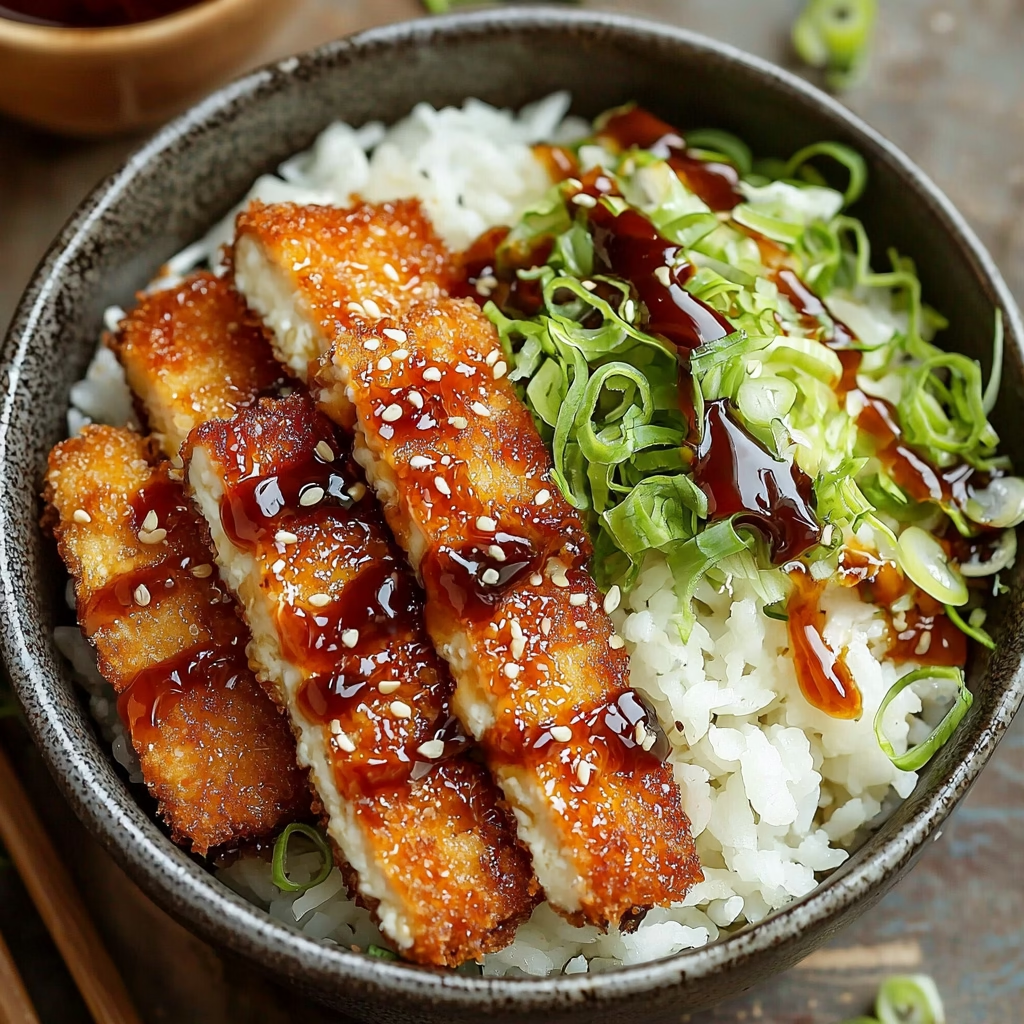
Teriyaki Tofu Katsu lands on your plate with a perfect harmony of sweet, savory, and crunch—no pork, no problem. This plant-based reimagining of the beloved Japanese Katsu dish swaps tender tofu for traditional meat while keeping that iconic deep-fried golden crust. Whether you’re a lifelong fan of comfort food or a curious home cook craving something new, this dish promises to satisfy with its bold flavor and satisfying texture. Trust me, once you take that first bite of tofu encased in panko, slathered with smoky-sweet teriyaki, it won’t take long for you to wonder why you didn’t try this sooner. The best part? It’s as much fun to make as it is to eat, especially when you get that satisfying sizzle as the cutlets hit the pan.
I remember the first time I stumbled into a tofu Katsu recipe—years ago, while browsing an online cookbook in Tokyo’s neon glow. It felt like the universe whispered to me, and I immediately knew it’d be the kind of dish that bridges continents and comfort. Fast-forward to now in my New York kitchen, where busy weeknights need quick magic, and this recipe has become my go-to. There’s something incredibly satisfying about transforming a humble block of tofu into a golden marvel that holds its own beside a heap of fragrant rice. Teriyaki Tofu Katsu isn’t just food; it’s a story of resilience, flavor, and modern home cooking at its finest.
What is Teriyaki Tofu Katsu?
Teriyaki Tofu Katsu is a creative, cruelty-free homage to the Japanese Tonkatsu (pork cutlet) tradition. Instead of meat, it features extra-firm tofu as the base, dipped in a triumphant trio of flour, eggless milk, and panko breadcrumbs. The result? A dish that’s crisp on the outside, moist and meaty on the inside, and soaked in teriyaki’s signature umami tang. For home cooks craving a plant-based alternative or a quick, satisfying meal, this recipe is pure gold.
While traditional Katsu dates back to the 17th century, this version plays with modern adaptability. Teriyaki sauce, known for its glossy sheen and bold flavors, clings to the tofu cutlets like a well-timed punchline—sweet from the brown sugar, smoky from the soy, and a tangy spark from ginger and garlic. The panko breadcrumbs add a level of crispiness that even the most skeptical meat lovers would struggle to argue with. And let’s not forget, the tofu’s moisture content keeps the texture tender, avoiding the dryness that can trap many plant-based recipes.
What makes this dish special is its accessibility. You don’t need to be a professional to nail it, and the ingredients are easy to find—even in a New York city bodega. It’s a celebration of how food can evolve, blending global influences without losing its soul. Now, let’s dive into why you should give it a try, even if you’ve never set foot near a deep fryer.
Reasons to Try Teriyaki Tofu Katsu
First off, this recipe is a 20-minute prep and 20-minute cook journey—a lifeline for families, busy parents, or anyone avoiding takeout. I’ve made it on weeknights when the kids asked for dinner in the same sentence they requested ice cream for breakfast. It’s forgiving, fast, and adapts beautifully to what’s in your fridge. The teriyaki sauce? A masterclass in flavor layering with zero guesswork. Just simmer, slurry, and drizzle—it’s foolproof magic in a pan.
What makes Teriyaki Tofu Katsu worth your time? It delivers the same crave-worthy satisfaction as fried meat but without the guilt. The tofu soaks up the sauce like a sponge, ensuring every bite is packed with umami depth. And let’s be honest: watching the cutlets fry until they turn a buttery gold is oddly therapeutic. For vegans and vegetarians, this is a game-changer. For non-meat-eaters, it’s a delicious adventure. And for casual cooks, it’s a reminder that plant-based doesn’t mean bland.
I also love that it’s a crowd-pleaser. I’ve served it to my in-laws who initially doubted a meatless Katsu could hit all the notes, and now they’re requesting it again. It’s a testament to flavor, not ingredients. Just picture it: golden, crunchy cutlets over soft, fluffy rice with a heap of shredded cabbage. Instant dinner-party vibes. It’s easy, adaptable, and—let’s be brutally honest—way more impressive than saying you ordered frozen pizza.
Ingredients Needed to Make Teriyaki Tofu Katsu
1 block (400g) extra firm tofu, well-pressed. Look for the kind that sits in its water but still holds shape—no crumbling under pressure. If you can’t find it, a block press will save you, but don’t skip it. The less moisture, the better the panko clings.
1/2 cup all-purpose flour. You’ll need this for the breading’s first layer. For gluten-free lovers, swap with rice flour—it changes the texture slightly but still works.
1/2 cup plant-based milk. Oat, soy, or almond milk all do the trick. The apple cider vinegar in the mix (1 tsp) adds a subtle brightness that keeps the breading from feeling flat.
1 cup panko breadcrumbs. Use the original Japanese kind if you can find it—it’s lighter and crunchier than generic breadcrumbs. If you’re out, regular breadcrumbs won’t cut the fat, trust me.
1/2 tsp salt, 1/4 tsp black pepper, 1/4 tsp garlic powder. These seasonings are the unsung heroes. The salt pulls moisture from the tofu, the garlic and pepper give the cutlets depth. Don’t skim on seasoning—this is where the magic starts.
Oil for frying (I suggest neutral stuff like canola or vegetable). Keep this on hand for the pan sizzle later.
For the teriyaki sauce: 1/4 cup soy sauce or tamari, 2 tbsp mirin, 1 tbsp rice vinegar, 1 tbsp brown sugar, 1 tsp grated ginger, 1 tsp minced garlic, 1/2 tbsp cornstarch + 2 tbsp water slurry. Tamari is a gluten-free soy sauce alternative, so that’s your secret weapon if anyone has allergies. Mirin adds a subtle sweetness and body—no need to overthink it.
For serving: steamed rice, shredded cabbage or lettuce, sesame seeds, and sliced green onions. These are the essentials for balance, but don’t feel locked in—think stir-fry veggies, pickled radishes, or even ramen noodles as a fun twist.
Instructions to Make Teriyaki Tofu Katsu – Step by Step
Step 1: Start with the tofu. If you’re not already pressing yours, invest in 5 minutes here—it changes everything. Drain the block, wrap it in a clean towel, and place something heavy like a cast-iron skillet on top. The tighter you press it, the more the breading will stick. I’ve rushed this step before and regretted it when the cutlets slid off the pan like greased lightning.
Step 2: Slice the pressed tofu into four even cutlets. You’re looking for something close to a pork cutlet in thickness—ideally 1/2 inch. Any thinner, and the tofu might break apart during fry time; thicker? It’ll need extra crimping to absorb the sauce later. Lay them out on a parchment-lined baking sheet. Now’s the time to prep the breading station—the three-bowl method is your best bet.
Step 3: Create your breading setup. First bowl gets the flour. Second bowl mixes the plant-based milk with the apple cider vinegar—it’ll thicken slightly in 30 seconds, helping the dredge grab the panko. Last, the panko is seasoned with salt, pepper, and garlic powder. This trio of ingredients acts like a flavor sponge, soaking up the teriyaki sauce and delivering every bite with a crackle of seasoning.
Step 4: Dredge each cutlet like it matters. Start with flour, shake off the excess so it’s lightly dusted. Then dip in the milk mixture—don’t soak longer than 5 seconds. You want it just wet enough to act as glue for the panko. Finally, press the cutlet into the seasoned crumbs, making sure to coat both sides. I’ve found gently squeezing the tofu after each dip helps the breading cling better—like giving it a little hug before sending it into the fryer.
Step 5: Heat the oil in a large skillet. Aim for a shimmer without smoking—it should hit around medium heat. When the oil’s ready, carefully lower the cutlets in. Sear them slowly, like you’re cooking a burger, not a snack. 3–4 minutes per side should give you a perfect amber crust. If your cutlets stick, don’t panic—wait for that initial bubble to lift them naturally. Once done, transfer to a paper-towel-lined plate. This step is your insurance policy against oil-slick disaster.
Step 6: Make the teriyaki sauce next, so it’s ready when the cutlets rest. In a saucepan, add all sauce ingredients: soy sauce, mirin, rice vinegar, brown sugar, garlic, and ginger. Simmer gently to dissolve the sugar—5 minutes, not more. The goal is a smooth, glossy texture, not a caramelized mess.
Step 7: Thickening is where you seal the deal. Whisk in the cornstarch slurry slowly. If you add it all at once, the sauce might split. Keep stirring until it coats the back of a spoon in 1-2 minutes—this is your indicator. Don’t let it boil after thickening; remove the pan immediately. That glossy sheen? It only looks this stunning if you respect the temperature.
Step 8: Glaze the crispy cutlets. Spoon the sauce generously over each tofu katsu. The best part? If some sauce bubbles or separates, just toss it back on the stovetop for a few seconds. The goal isn’t perfection; it’s flavor intensity. Serve on a mound of rice with shredded cabbage to balance that richness. A final dusting of sesame seeds and green onions adds the kind of visual flair that makes even the laziest dinner feel like a feast.
Chef’s Tips for a Perfect Result
- Press豆腐 with precision: If you’re tight on time, use a tofu press and aim for 10–15 minutes to remove excess moisture. This keeps the tofu from getting gummy in the pan.
- Build your breading like a pro: The flour-to-milk ratio is crucial—too much milk, and the panko slumps off. Aim for a milk-egg consistency when mixing.
- Fry with control: Use medium heat and don’t crowd the pan. If the oil gets too hot, the cutlets burn before the inside sets. Batch fry if needed.
- Add a hint of miso to the sauce: A teaspoon of white (shiro) miso adds umami richness, taking it from good to unorthodox genius in seconds.
- Pan-fry instead of deep fry: This recipe works well in a skillet for home cooks. Just ensure the oil is 1/4 inch deep and monitor the heat closely.
Variations and Substitutions
Vegan Option:
Skip the egg in the milk. Use flax egg (1 tbsp ground flax + 3 tbsp water) to thicken the dredge. It adds a slight nutty note that pairs nicely with the teriyaki.
Gluten-Free Alternative:
Use tamari for the sauce and rice flour instead of wheat-based. Gluten-free Katsu might not have the same chew, but it’s a must for celiac-friendly meals.
Low-Carb Version:
Replace flour with crushed pork rinds or almond flour. It’s crunchier and keto-approved, but the texture shifts slightly—think crispy versus airy.
Budget Swap:
Opt for white breadcrumbs instead of panko. While it won’t be as light, it works in a pinch. Just add a little extra seasoning to make up for the flavor gap.
Spicy Kick:
Fold chili flakes into the panko. Or mix chili paste into the teriyaki sauce for a fiery version. Be warned—the heat lingers like a bad memory.
How to Serve and Pair
Plate this dish like it’s fine dining even if you’re eating it in pajamas. Stack the rice, lay the katsu on top, and let the sauce pool around the edges. Shaved cabbage adds crunch and a pop of green—it’s like a salad with attitude. Garnish with toasted sesame seeds and green onions for that restaurant-ready finish. Need a beverage? Sake is classic, but a chilled pinot grigio does the trick if you’re skipping the alcohol.
Don’t limit yourself to just cabbage. Think stir-fried broccoli, pickled daikon, or even a spicy miso soup as a starter. For a weekend feast, add a fried tamago egg on the side—vegan? Try a yolkless version with turmeric and cream of mushroom soup.
This recipe is incredibly versatile. I’ve turned it into a ramen topping, a bentō box star, and even a breakfast sandwich. The key is balance: every bite needs crunch, sauce, and rice or carbs to keep it grounded. Don’t hesitate to customize for your crew—this is your canvas.
Storage and Reheating
Refrigerator:
Fry the tofu cutlets the day you need them. Leftover teriyaki (uncooked) stores in a sealed jar for 2–3 days. The day after cooking, the cutlets may lose some crunch but won’t dry out. Reheat quickly for best results.
Freezer:
Freeze uncooked tofu cutlets (after breading but before frying). They’ll keep for 3–4 weeks. Thaw in the fridge before frying. Don’t skip the thawing—it’s the difference between restaurant magic and kitchen disaster.
Room Temperature:
Uncooked cutlets last up to 24 hours in an airtight container. If you’re frying them later, let them sit for 30 minutes to dry the breading, which ensures a crispier finish.
Reheating:
Use the oven (350°F/175°C for 10–12 minutes) to retain crispiness. Avoid the microwave at all costs unless you want soggy bricks. For extra sauce, drizzle a thin layer over the reheated cutlets—they act like sponges and revive the dish instantly.
Nutritional Values
Per serving:
– Calories: 410 kcal
– Protein: 18g
– Carbohydrates: 43g
– Fat: 14g
– Fiber: 3g
Approximate values.
Frequently Asked Questions
Can I substitute the tofu with another protein?
Try portobello mushrooms or eggplant slices for a vegan alternative. The moisture content is crucial—too much, and the breading won’t stick. Stick to firm options for best results.
How do I tell when the tofu cutlets are done?
They should be golden brown and firm to the touch. Undercook it, and the panko will fall off in pieces. Overcook? The tofu dries out. Medium heat and patience are key.
Why is my teriyaki sauce separating or foaming?
Stir the cornstarch slurry in gradually and remove the sauce from heat as soon as it thickens. Boiling it afterward will break it down. Also, older soy sauce might not emulsify cleanly—swap it next time.
Can I prepare the breading in advance?
Yes! Bread the tofu and refrigerate for up to a day before frying. Just let it sit for 30 minutes to dry the coating, which prevents sogginess during fry time. Keep it in a single layer to avoid sticking.
What’s the best way to customize this for kids?
Make the teriyaki sauce milder by reducing ginger and garlic. Add a drizzle of mayo or a side of honey for balance. Serve the cutlets in a lettuce wrap for a handheld, drama-free option.
Conclusion
Teriyaki Tofu Katsu is the kind of recipe that transforms weeknight meals into something joyful. Crisp, juicy, and smothered in bold sauce, it’s proof that plant-based cooking can be indulgent. Give it a try—you’ll never underestimate the power of a well-seasoned tofu cutlet again. And once you taste that teriyaki glaze kiss the panko, you’ll want to eat every bite with your fingers. That’s the kind of magic that makes cooking feel like an adventure in my tiny NYC kitchen.
PrintTeriyaki Tofu Katsu
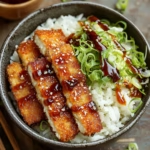
A crispy, plant-based twist on Japanese Katsu using extra-firm tofu. Coated in panko and deep-fried to golden perfection, then glazed in smoky-sweet teriyaki for a satisfyingly bold flavor and texture.
- Prep Time: 15
- Cook Time: 20
- Total Time: 35
- Yield: 2-3 servings
- Category: Dinner
- Method: Frying
- Cuisine: Japanese
- Diet: Vegan
Ingredients
1 block (14-16 oz) extra-firm tofu
1/4 cup flour
1/2 cup panko breadcrumbs
1 tbsp soy sauce (alcohol-free)
1 tbsp maple syrup
1 tbsp rice vinegar
1 tsp minced garlic
1/2 tsp minced ginger
2 tbsp water (or plant-based milk)
1 tbsp neutral oil (for frying)
1/2 cup store-bought or homemade teriyaki glaze
Instructions
Press tofu for 15 minutes to remove excess moisture
In a bowl, mix flour and a pinch of salt
In another bowl, combine soy sauce, maple syrup, rice vinegar, garlic, and ginger
Dip tofu into flour, then wet mixture, then panko
Heat oil in a skillet or deep fryer to 350°F (180°C)
Fry tofu cutlets 2-3 minutes per side until golden
Toss in teriyaki glaze until coated and slightly caramelized
Arrange on paper towels to drain excess oil
Notes
Use plant-based milk instead of eggs for coating
For extra crispiness, double-fry 1 minute after first cooking
Add cornstarch to teriyaki sauce for a thicker glaze
Serve with steamed rice, pickled vegetables, or kimchi