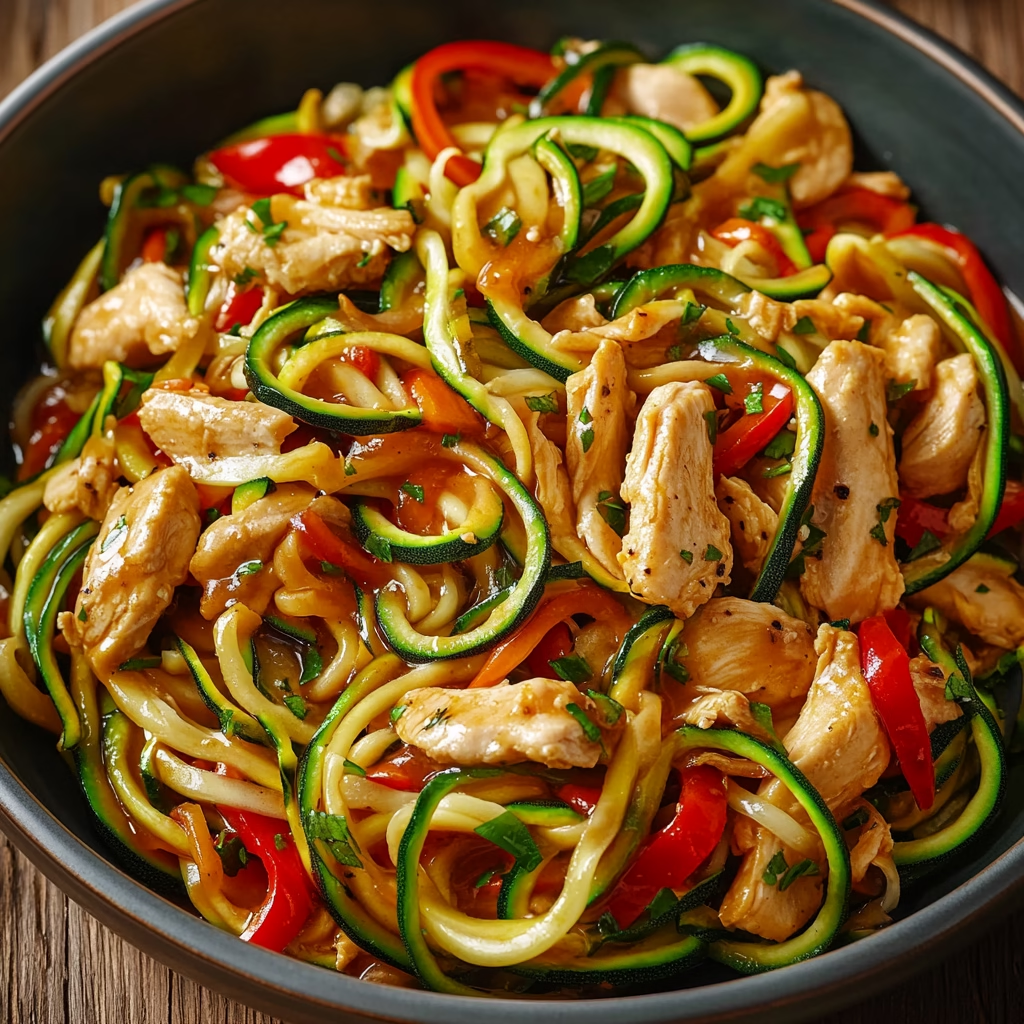
What is Garlic Chicken Zucchini Noodles Stir Fry?
At its core, Garlic Chicken Zucchini Noodles Stir Fry is a modern twist on a classic stir-fry concept. Instead of traditional pasta, this dish uses vibrant, spiralized zucchini noodles as the base, creating a light yet satisfying meal. The chicken is gently marinated in a fragrant blend of soy sauce, honey, ginger, and a hint of heat from red pepper flakes, ensuring each bite is infused with bold, balanced flavors. It’s a celebration of fresh vegetables, succulent proteins, and Asian-inspired seasonings, all tossed together in a sizzling-hot wok in under 20 minutes.
While stir-fries originate from Chinese and Thai cuisines, this version reflects New York’s culinary melting pot – quick, nutritious, and adaptable to pantry what-have-you. The garlic dominates playfully, harmonizing with the sweet tang of rice vinegar and the slight warmth of ginger. Unlike heavy sauces, this one clings effortlessly to the zucchini’s tender texture, making it a favorite for health-conscious cooks who don’t want to sacrifice flavor.
Reasons to Try Garlic Chicken Zucchini Noodles Stir Fry
Let’s be honest – life moves fast in New York, and this recipe keeps up. Ready in 35 minutes total, it’s perfect for parents whipping up dinner after a busy day, food lovers craving something vibrant, or beginners wanting to learn the stir-fry method. The minimal prep means you can cut, cook, and serve while the kids argue over who spilled the cereal. Every time I’ve made this, the table goes quiet when people taste how tender the chicken stays despite the high-heat action.
What really wins me over is the nutritional versatility. Need extra veggies? Add broccoli or snap peas. Want to keep it keto? Swap coconut aminos for soy sauce. This dish is a blank canvas for creativity without compromising on taste. I’ve had friends who swore they hated zucchini beg for the recipe – and that’s saying something in a city where food snobs lurk around every deli corner.
Ingredients Needed to Make Garlic Chicken Zucchini Noodles Stir Fry
You’ll need:
- 1 lb (450g) boneless, skinless chicken breasts, sliced into thin strips (about 1/2″ each for even cooking)
- 3 medium zucchinis, spiralized (rinse with paper towels to remove excess moisture)
- 3 tablespoons olive oil (divided for chicken and noodles)
- 4 cloves garlic, minced (use a food processor for consistency)
- 1 red bell pepper, sliced into plump “matchsticks”
- 1 cup carrots, julienned (peel first for maximum crunch)
- 1⁄4 cup low sodium soy sauce (gently sweet without overpowering umami)
- 1 tablespoon honey (raw honey adds floral brightness)
- 1 tablespoon rice vinegar (sharp contrast to the chicken’s richness)
- 1 teaspoon grated ginger (fresh root preferred over pre-packaged paste)
- 1⁄2 teaspoon red pepper flakes (adjust for heat tolerance – skip for kids)
- Salt and black pepper to taste (add only after tasting soy sauce)
- 2 tablespoons green onions, chopped (reserve some for garnish)
- 1 tablespoon sesame seeds, for garnish (white and black blend adds visual flair)
Instructions to Make Garlic Chicken Zucchini Noodles Stir Fry – Step by Step
Step 1: Start with your chicken. Slice the breasts as described, then pat them dry on a paper towel – the oil will sizzle better if they’re not weeping liquid. Heat 1 tbsp of olive oil in your largest pan or wok over medium-high heat until it shimmers. Toss the chicken strips in a bit of cracked pepper and salt (you can do this directly in the bowl or let the pan do the heavy lifting). The moment you add them, listen for the sizzle to confirm oil is hot enough. Stir-fry for 5-7 minutes, tossing frequently so no one strip burns. When the edges turn golden and the centers are just starting to firm up, that’s the ideal texture – remove them to a plate using tongs.
Step 2: Now, it’s time to make the magic happen with garlic. Reheat the same pan (don’t worry if it’s not smoking again – carryover is your friend) and add another tbsp of oil. The minute you smell that intoxicating garlic aroma after 30-60 seconds, you’ll want to deep breath – it’s a game-changer. Be careful not to let it brown – pale golden garlic retains its sweetness better. If your pan is really hot, add a splash of water and deglaze the garlic first, then let it evaporate. This ensures any stuck-on chicken bits join the flavor party.
Step 3: Add the bell pepper strips first – they caramelize beautifully and hold their crunch. Follow with the carrots for that satisfying woody scent as they start to soften. Keep the wok tossing rhythm going, watching the color shift from raw orange to amber on the veggies. This stage takes about 4 minutes total; you want them just tender-crisp, since they’ll finish cooking when combined with the chicken and noodles later.
Step 4: While your proteins and veggies marinate, whisk together the sauce. The low sodium soy sauce is your backbone, so measure carefully before adding. Add honey gradually – some folks love sweet, some hate it. The rice vinegar adds tang that cuts through richness, while ginger lifts the whole mix with that fresh, almost citrusy note. Taste this sauce and adjust salt first – trust me, the zucchini’s moisture will reduce your overall seasoning needs later.
Step 5: Now return the chicken and pour in the sauce. Let it dance together for 2-3 minutes without overthinking it. The sauce begins to thicken when it coats the chicken in a glistening sheen (you can test by scraping the pan wall – the sauce should slow back instead of flowing). Add your zucchini noodles as the final layer in a separate pan (don’t mix them in too early or they’ll cook into a soup). Use medium heat this time so you hear that light fricassee of the noodles, barely holding their shape.
Step 6: Combine everything, coating the noodles in that now-slightly-thickened sauce. The noodles will absorb some moisture but stay springy if you work quickly. Toss aggressively for 1-2 minutes, but keep checking for doneness. Once you smell the zucchini’s grassy sweetness blending with the garlic aroma, it’s done. Transfer to a serving bowl, scatter green onions and sesame seeds like confetti, and serve right away before noodles lose texture.
Chef’s Tips for a Perfect Result
- Pre-salt your chicken 30 minutes ahead: Draw out moisture for drier strips to avoid steaming as they brown
- Use parchment paper to lift noodles: This prevents sticking in the pan and keeps noodles individual like pasta
- Spiralize when zucchinis are cold: Straight from the fridge creates crispier noodles that hold up better
- Don’t over-saucify: Start with 1/2 cup broth if making extra, and thin sauce as needed after mixing
Variations and Substitutions
Vegan Option
Swap chicken for tofu or tempeh strips – marinate 10 minutes in extra soy sauce and honey. Use tamari to keep it gluten-free. The texture will be heartier, but just as satisfying when tossed into the wok’s dance.
Low-Carb Perfection
The zucchini noodles are naturally low-carb, but reduce garlic to 3 cloves for less calorie density without sacrificing flavor. Perfect for keto dieters craving a “cheat” meal without guilt.
Budget Swap
Replace sesame seeds with toasted almonds in small pieces for protein boost and earthy crunch. Carrots can be swapped for jicama for extra wateriness and tang.
How to Serve and Pair
This dish begs for simplicity. Serve in a family-style bowl with chopsticks for a New York dim sum meets weekday dinner vibe. Pair with a side of steamed jasmine rice to stretch the meal, or offer a tangy dipping sauce with extra rice vinegar and chili oil for bold eaters.
My favorite pairing is miso soup on the side – it amplifies the umami theme while cooling the mouth between bites. For an Instagram-worthy presentation, layer raw zucchinis into noodle shapes before spiralizing, then fan them on the plate with the stir-fry on top. Garnish with sesame seeds using the back of a spoon as a duster.
Storage and Reheating
Refrigerator: Store in a shallow, airtight container for 3-4 days. Keep noodles separate for first day, or mix with rice vinegar to prevent browning if combining ahead.
Freezer: Let cool completely before layering on parchment in a single bag. Lasts up to 2 months, though garlic will mellow – consider boosting with fresh minced when reheating.
Room Temperature: Use in meal prepping with rice vinegar drizzle for 2-4 hours. Perfect for packed lunches or picnics with no refrigeration access.
Reheating: Stovetop best – add 1 tsp water while tossing to refresh noodles. Microwave works but will overcook quickly; add a dash of oil or vinegar to revive moisture. Don’t attempt oven reheating – you’ll end up with sad mush.
Nutritional Values
- Calories: 350 per serving
- Protein: 32g (chicken delivers lean satisfaction)
- Carbohydrates: 18g (noodles and veggies contribute mostly fiber)
- Fat: 14g (healthy fats from olive oil and seasoning)
- Fiber: 5g (from cruciferous veggies and zucchini skins)
Approximate values.
Frequently Asked Questions
Can I substitute zucchini noodles with other vegetables?
Yes! Use spaghetti squash for a naturally sweet base or bok choy for an extra broth boost. The noodles add moisture, so drier alternatives might need more water when tossing.
How do I know the chicken is properly cooked without drying out?
Check for opaque center and internal temperature of 165°F. Let it cook at medium-high heat for maximum sear, and remember that residual warmth from noodles will finish it gently. Never peek too soon – trust the color and texture shift!
Why are my noodles releasing too much water?
Didn’t salt them enough. Lay noodles between paper towels for 10 minutes to absorb excess moisture before tossing with sauce. You can skip washing zucchinis to add natural salt balance via soy sauce.
Can I prepare the chicken ahead of time?
Absolutely. Brown it up to 2 full days before, then store with the noodles. Just add sauce at serving time and stir fry for 2 minutes to rehydrate without overcooking. Works beautifully for busy weekdays.
What side makes this dish feel special enough for guests?
Presentation matters. Serve in a lacquered wooden bowl with chopsticks and toothpicks for easy serving. Add a dollop of sesame aioli alongside or a pile of fresh cilantro for a restaurant-quality upgrade you can make from pantry staples.
Conclusion
Garlic Chicken Zucchini Noodles Stir Fry proves healthy meals can pack serious flavor. With its quick prep and endless customization, it’s a dinner staple for any kitchen. The perfect balance of garlic warmth, vinegar brightness, and veggie crunch makes this my go-to when my kids declare they’ll never eat broccoli again – just try to resist that sesame seed crunch on the first bite.
PrintGarlic Chicken Zucchini Noodles Stir Fry
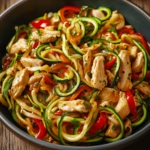
A quick, healthful stir-fry using spiralized zucchini noodles as the base. Tender chicken is marinated in soy sauce, honey, and ginger, then sizzled with garlic, bell pepper, and carrots for bold Asian-inspired flavors. Light, vibrant, and ready in 35 minutes.
- Prep Time: 10
- Cook Time: 25
- Total Time: 35
- Yield: 4 servings
- Category: dinner
- Method: Stir-frying
- Cuisine: Asian-Inspired
- Diet: Low-Carb
Ingredients
1 lb (450g) boneless, skinless chicken breasts, sliced into thin strips
3 medium zucchinis, spiralized and excess moisture removed
3 tablespoons olive oil
4 cloves garlic, minced
1 red bell pepper, sliced into matchsticks
1 cup carrots, julienned
1/4 cup low sodium soy sauce
1 tablespoon honey
1 tablespoon rice vinegar
1 teaspoon grated ginger
1/2 teaspoon red pepper flakes
Salt to taste
Instructions
Heat 1 tablespoon olive oil in a wok or skillet over medium-high heat. Add chicken and cook 3-4 minutes per side until browned. Transfer to a plate.
Stir-fry zucchini noodles in 1 tablespoon oil until just tender, about 2 minutes. Push aside.
Add remaining oil, garlic, ginger, and red pepper flakes. Sauté 1 minute.
Return chicken to pan. Add bell pepper, carrots, soy sauce, honey, rice vinegar, and a pinch of salt. Stir-fry 2-3 minutes until vegetables are crisp-tender.
Serve immediately.
Notes
Coconut aminos can replace soy sauce for a keto-friendly version.
Add broccoli, snap peas, or mushrooms for extra vegetables.
Zucchini noodles can be stored in an airtight container for up to 8 hours if salted and drained.