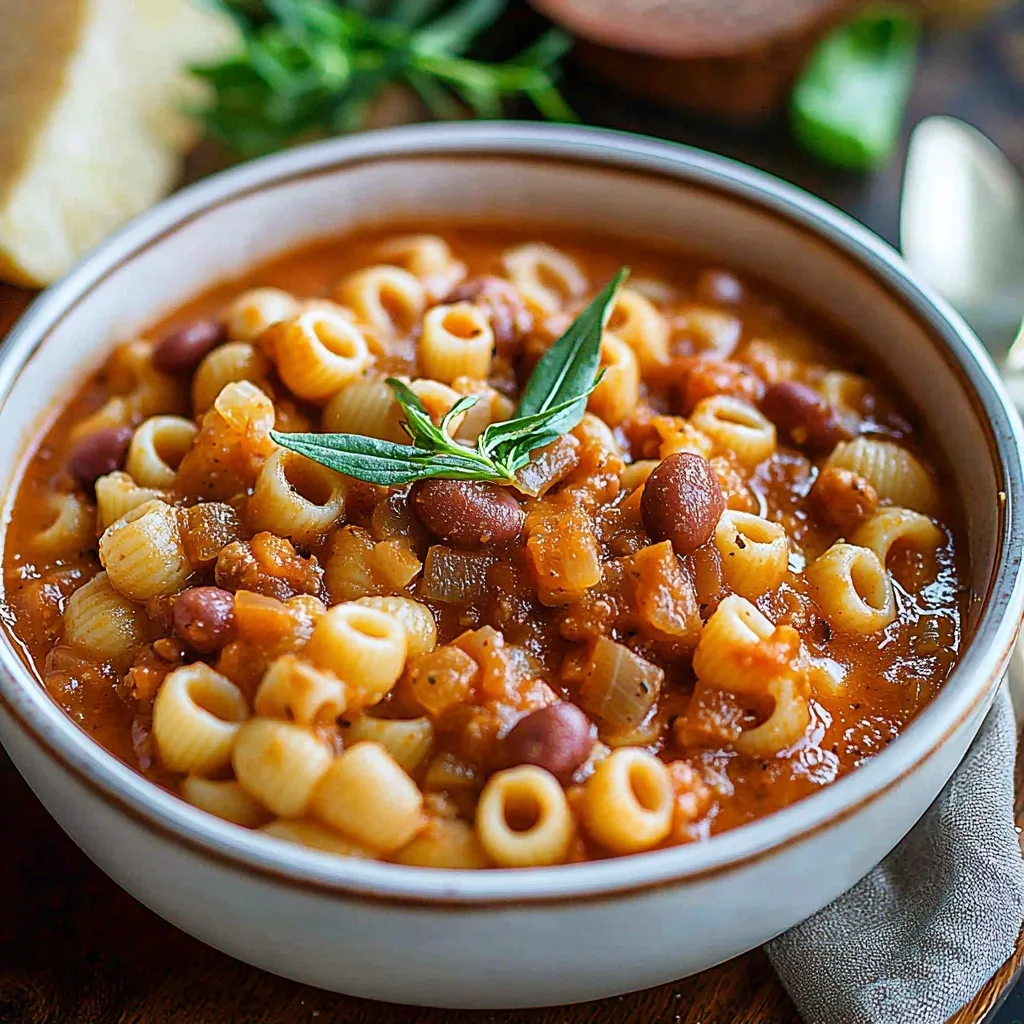
Authentic Italian Pasta e Fagioli is seriously the ultimate comfort food, a dish that lands smack dab in the middle of every Italian home’s heart. This isn’t just some soup thrown together; it’s a classic, a true staple that speaks of warmth, family, and the pure goodness of simple ingredients. We’re talking tender borlotti beans, perfectly cooked pasta dancing with humble veggies, all simmered down into something so creamy, so satisfying, and, let me tell you, utterly delicious.
For us home cooks, especially in a city like New York where inspiration is everywhere and time is always tight, a recipe like this is gold. It’s the kind of dish you can feel good about serving your family, knowing it’s packed with flavor and made with love. It’s got that rustic charm that reminds you of simpler times, but with a depth that keeps you coming back for more. Get ready, because this Authentic Italian Pasta e Fagioli is about to become your new go-to.
What is Authentic Italian Pasta e Fagioli?
Pasta e Fagioli, literally translating to “pasta and beans,” is a hearty, rustic soup that’s a cornerstone of Italian peasant cooking. It’s a dish born out of necessity and resourcefulness, using simple, readily available ingredients to create something incredibly nourishing and flavorful. Think of it as Italy’s answer to the ultimate cozy meal, a warm hug in a bowl that’s been loved for generations.
What makes this dish so special is its beautiful simplicity. It’s typically made with borlotti beans (also known as cranberry beans), which have a lovely creamy texture when cooked, along with short pasta shapes like ditalini. The base is usually a savory soffritto of onion, carrot, and celery, often enhanced with a touch of pancetta for depth and richness. The result is a thick, satisfying stew that’s more than the sum of its parts, a testament to the magic of Italian home cooking.
Reasons to Try Authentic Italian Pasta e Fagioli
Honestly, if you’re looking for a dish that’s both incredibly comforting and surprisingly simple to pull off, this is it. It’s the perfect recipe for those chilly evenings or any time you need a boost of warmth and satisfaction. The combination of tender beans and al dente pasta coated in a rich, savory broth is pure bliss. Plus, it’s a fantastic way to pack in fiber and protein without feeling heavy.
This recipe is ideal for everyone, from beginner cooks looking for a foolproof, impressive dish, to busy parents needing a healthy, make-ahead meal. It’s also incredibly budget-friendly, making use of pantry staples to create something truly special. You might think it’s just “soup,” but trust me, this pasta e fagioli is a meal in itself, and it’s guaranteed to become a family favorite. It’s the kind of deliciousness that makes you feel like you’ve got a little piece of Italy right in your own kitchen.
Ingredients Needed to Make Authentic Italian Pasta e Fagioli
- 1 ¼ cups (200 grams) dried borlotti beans (soaked overnight or as directed)
- 1 teaspoon salt (for cooking beans)
- 2 tablespoons extra virgin olive oil
- ⅓ cup (30 grams) finely chopped yellow onion
- ⅓ cup peeled and finely chopped carrot
- ⅓ cup chopped celery
- 2 ounces (60 grams) finely chopped pancetta (ensure it’s halal if needed)
- 1 cup tomato purée or tomato passata
- 1 teaspoon salt (for the soup base)
- ½ teaspoon freshly ground black pepper
- 1 ⅔ cup (200 grams) ditalini pasta (or other short pasta like small shells or elbow macaroni)
- 1 sprig fresh rosemary leaves (finely chopped)
- For serving: Extra virgin olive oil (garlic-infused is great), freshly grated Parmigiano Reggiano cheese (optional), fresh parsley for garnish
Instructions to Make Authentic Italian Pasta e Fagioli – Step by Step
Step 1:
First things first, let’s get those borlotti beans ready. You want to rinse them thoroughly under cool water, checking for any little stones or debris that might have snuck in. Then, place them in a big bowl and cover them with at least 3 inches of fresh water. Let them soak for a good 8 to 12 hours, or even overnight – this step is crucial for softening them up and making them easier to digest. Once they’re done soaking, drain and give them another good rinse.
Step 2:
Now, let’s cook those beans until they’re perfectly tender. Transfer your rinsed beans to a large saucepan and cover them generously with fresh water, again, at least a few inches above the beans. Bring this to a gentle boil over medium heat, then immediately reduce the heat to low, cover, and let them simmer. Cook them for about 30 minutes, then add 1 teaspoon of salt. Continue simmering until the beans are just tender – this can take anywhere from another 5 to 30 minutes, depending on how fresh your beans are. Keep an eye on them; you don’t want them mushy, just tender.
Step 3:
While the beans are getting tender, let’s build our soup base. Grab a large saucepan or Dutch oven and heat up your extra virgin olive oil over medium heat. Toss in the finely chopped onion, carrot, and celery – this aromatic mix is called a soffritto, and it’s the flavor foundation of so many Italian dishes. Sauté them until they’ve softened up beautifully, about 5-7 minutes. Then, add your finely chopped pancetta and cook for another couple of minutes until it starts to render its fat and get a little crispy. If you’re making this without pancetta, you’ll just skip this step and let the veggies soften a bit longer.
Step 4:
Now for the magic! Drain your tender borlotti beans, but be sure to save that flavorful cooking liquid – we’ll be using it later. Add the cooked beans to the saucepan with the soffritto and pancetta. Stir everything together well. Now, ladle in about half a cup (or one big spoonful) of the reserved bean cooking water. Add the tomato purée or passata, 1 teaspoon of salt, and that freshly ground black pepper. Stir it all up and let it simmer gently for about 10 minutes, allowing those flavors to meld. Taste it now – this is your chance to adjust the salt if needed. Sometimes you need a little more, sometimes less.
Step 5:
To get that signature creamy texture, we’re going to blend a portion of the soup. Carefully scoop out about 1 cup (or two generous ladles) of the soup mixture and transfer it to a blender. Blend until it’s super smooth and creamy, then set this purée aside. This is our secret weapon for a richer, more satisfying pasta e fagioli!
Step 6:
Time for the pasta! Add the ditalini pasta directly into the simmering soup. Pour in about 2 cups of the reserved bean cooking water (or more, depending on how thick you like your soup). Stir everything really well, making sure to scrape the bottom of the pot to prevent the pasta from sticking. Cook the pasta until it’s perfectly al dente, which means tender but still with a slight bite. Keep stirring every so often, and add more cooking water if the soup gets too thick for your liking.
Step 7:
And now, we bring it all together! Pour that smooth purée you made earlier back into the main pot. Stir it in gently; you’ll see how it instantly thickens the soup and gives it that lusciously creamy consistency we’re after. Give it a final taste and adjust the salt and pepper one last time if necessary. Stir in the finely chopped fresh rosemary – its piney aroma is just divine this time of year. Cover the pot and let the soup rest off the heat for about 3 minutes. This short rest allows all the flavors to marry perfectly.
Step 8:
Ladle this gorgeous, hearty Authentic Italian Pasta e Fagioli into warm bowls. Drizzle generously with good quality extra virgin olive oil – I’m partial to garlic-infused myself! Sprinkle with freshly grated Parmigiano Reggiano cheese if you like, and maybe a little extra black pepper or some fresh parsley. Serve immediately and get ready for the compliments!
Chef’s Tips for a Perfect Result
- Bean Quality Matters: Always use good quality dried beans. Fresher beans cook faster and have better flavor. If using canned beans, rinse them thoroughly and add them in the last 10 minutes of simmering.
- Don’t Rush the Soffritto: Cook the onion, carrot, and celery slowly over medium-low heat until very soft and translucent. This builds a deep flavor base without any harshness.
- Save the Bean Liquid: The starchy liquid the beans cook in is liquid gold for thickening and flavoring your soup. Always reserve it!
- Pasta Texture is Key: Cook the pasta until it’s al dente. It will continue to soften in the hot soup, so you don’t want it overcooked.
- Creaminess Control: Blend part of the beans and soup to achieve your desired creaminess. For an even richer texture, you can blend a little more.
- Fresh Herbs Brighten: Fresh rosemary adds an authentic Italian aroma. For a final freshness, a sprinkle of fresh parsley is a beautiful finishing touch.
Variations and Substitutions
Pasta Shape: While Ditalini is classic, feel free to use any small pasta shape like small shells, elbow macaroni, or even broken spaghetti. Just be mindful of cooking times.
Bean Substitutions: If you can’t find borlotti, cannellini beans or even chickpeas can work. They offer a slightly different texture and flavor profile but are still delicious.
Vegetarian/Vegan Option: Omit the pancetta entirely. To boost flavor, add a pinch of smoked paprika or a few sun-dried tomatoes when sautéing vegetables. Ensure your Parmigiano Reggiano is skipped for a vegan version.
Gluten-Free Alternative: Use your favorite gluten-free short pasta. Be sure to check the pasta package for al dente cooking times. The rest of the recipe remains the same.
Herb Variations: While rosemary is traditional, a little bit of fresh sage or thyme can also add fantastic flavor. Add them towards the end of cooking.
Extra Vegetables: Feel free to add a handful of chopped spinach or kale in the last few minutes of cooking for an extra boost of greens.
How to Serve and Pair
Serve this Authentic Italian Pasta e Fagioli piping hot in shallow bowls. A generous drizzle of good quality extra virgin olive oil is a must, perhaps a garlic-infused one for an extra punch. Freshly grated Parmigiano Reggiano is always a welcome addition, offering a salty, nutty finish. For a bit of freshness, consider a scattering of chopped fresh parsley or basil. It’s absolutely perfect on a cool evening, as a starter for a larger Italian meal, or simply as a satisfying lunch.
This hearty soup pairs beautifully with crusty Italian bread for dipping – think a rustic ciabatta or a simple baguette. It also works well alongside a light, fresh green salad with a simple vinaigrette. For a more substantial meal, it can be the primi piatto (first course) before a main course like roasted chicken or fish.
Storage and Reheating
Refrigerator
Leftover Pasta e Fagioli will keep beautifully in an airtight container in the refrigerator for up to 3 to 4 days. The flavors actually tend to deepen overnight, making it even better the next day!
Freezer
This soup freezes exceptionally well. Ladle cooled portions into freezer-safe containers or heavy-duty freezer bags. It can be stored in the freezer for up to 2-3 months. It’s a great one to make ahead in big batches.
Room Temperature
It’s best not to leave cooked Pasta e Fagioli at room temperature for more than 2 hours, due to the ingredients. Refrigerate promptly to maintain freshness and safety.
Reheating
To reheat, gently warm the soup on the stovetop over low heat, stirring occasionally. You may need to add a splash of water or vegetable broth to loosen it up, especially if it has thickened considerably. For a quick reheat, use the microwave in 30-second intervals, stirring between each, until heated through. If reheating from frozen, thaw overnight in the refrigerator first or reheat directly on the stovetop on low heat, adding liquid as needed.
Nutritional Values
- Calories: ~350-400 per serving
- Protein: ~15-20g
- Carbohydrates: ~60-70g
- Fat: ~8-12g
- Fiber: ~10-15g
Approximate values.
Frequently Asked Questions (FAQ)
Can I use canned beans instead of dried for Pasta e Fagioli?
Yes, you can use canned beans. Rinse two 15-ounce cans of borlotti or cannellini beans thoroughly and add them during the last 10 minutes of simmering, before adding the pasta, to warm through.
How do I know when the Pasta e Fagioli is cooked perfectly?
The dish is ready when the pasta is al dente (tender with a slight bite) and the soup has a creamy, slightly thickened consistency. The beans should be tender but not mushy.
My Pasta e Fagioli is too thick, how can I fix it?
If your soup is too thick, simply stir in more reserved bean cooking liquid, vegetable broth, or even plain water, a little at a time, until you reach your desired consistency.
Can I prepare components of this Pasta e Fagioli recipe ahead of time?
Absolutely! You can soak and cook the beans a day or two in advance. The soffritto can also be sautéed and stored. Assemble and cook the soup closer to serving time for the freshest flavor.
What’s the best way to customize my Pasta e Fagioli?
Feel free to add a pinch of red pepper flakes for a little heat, or stir in some fresh greens like spinach or kale in the final minutes. A swirl of pesto is also a delightful and unexpected addition.
CONCLUSION
Authentic Italian Pasta e Fagioli is more than just a soup; it’s a hearty, soul-warming dish that embodies the spirit of Italian home cooking. It’s a fantastic recipe for anyone looking to bring a taste of traditional comfort to their table. Once you try this creamy, flavorful bowl packed with tender beans and pasta, you’ll understand why it’s an indispensable classic, with a signature savoriness that’s utterly irresistible.
PrintAuthentic Italian Pasta e Fagioli: Your New Comfort Food Favorite

Authentic Italian Pasta e Fagioli made with tender borlotti beans, ditalini pasta, vegetables, pancetta, and tomato for a rich, creamy, and comforting traditional Italian soup.
- Prep Time: 30 minutes
- Cook Time: 60 minutes
- Total Time: 8 hours 30 minutes
- Yield: 4 servings
- Category: Soup
- Method: Stovetop
- Cuisine: Italian
- Diet: Gluten Free
Ingredients
- 1¼ cups (200 g) dried borlotti beans
- 1 teaspoon salt (for cooking beans)
- 2 tablespoons extra virgin olive oil
- ⅓ cup (30 g) finely chopped onion
- ⅓ cup peeled and finely chopped carrot
- ⅓ cup chopped celery
- 2 ounces (60 g) finely chopped pancetta
- 1 cup tomato puree or tomato passata
- 1 teaspoon salt
- ½ teaspoon freshly ground black pepper
- 1⅔ cups (200 g) ditalini pasta
- 1 sprig fresh rosemary leaves, finely chopped
- Freshly ground black pepper, for serving
- Extra virgin olive oil, for serving
- Finely grated Parmigiano Reggiano cheese, for serving
Instructions
1. Place the borlotti beans in a sieve, check for debris, and rinse thoroughly.
2. Transfer beans to a bowl, cover with plenty of water, and soak for 8-12 hours.
3. Drain and rinse soaked beans, place in a large saucepan, cover with water, and bring to a gentle boil.
4. Reduce heat and simmer for 30 minutes, then add 1 teaspoon salt and continue cooking until just tender.
5. Heat olive oil in a large saucepan and cook onion, carrot, and celery until softened.
6. Add pancetta and cook for 2 minutes.
7. Stir in drained beans, reserving the cooking water.
8. Add tomato puree, 1 teaspoon salt, black pepper, and ½ cup reserved bean cooking water. Simmer for 10 minutes.
9. Remove about 1 cup of the soup and blend until smooth. Set aside.
10. Add ditalini pasta and 2 cups reserved bean cooking water to the soup and cook until pasta is al dente, stirring regularly.
11. Stir the blended soup back into the pot and adjust consistency with additional cooking water if needed.
12. Add chopped rosemary, cover, and rest for 3 minutes.
13. Serve in bowls topped with black pepper, olive oil, and grated Parmigiano Reggiano.
Notes
For best flavor, use dried borlotti beans and soak them overnight.
Reserve plenty of bean cooking water to adjust the soup’s consistency.
Blending a portion of the soup creates the traditional creamy texture without cream.
The soup will thicken as it stands; add extra bean water when reheating.