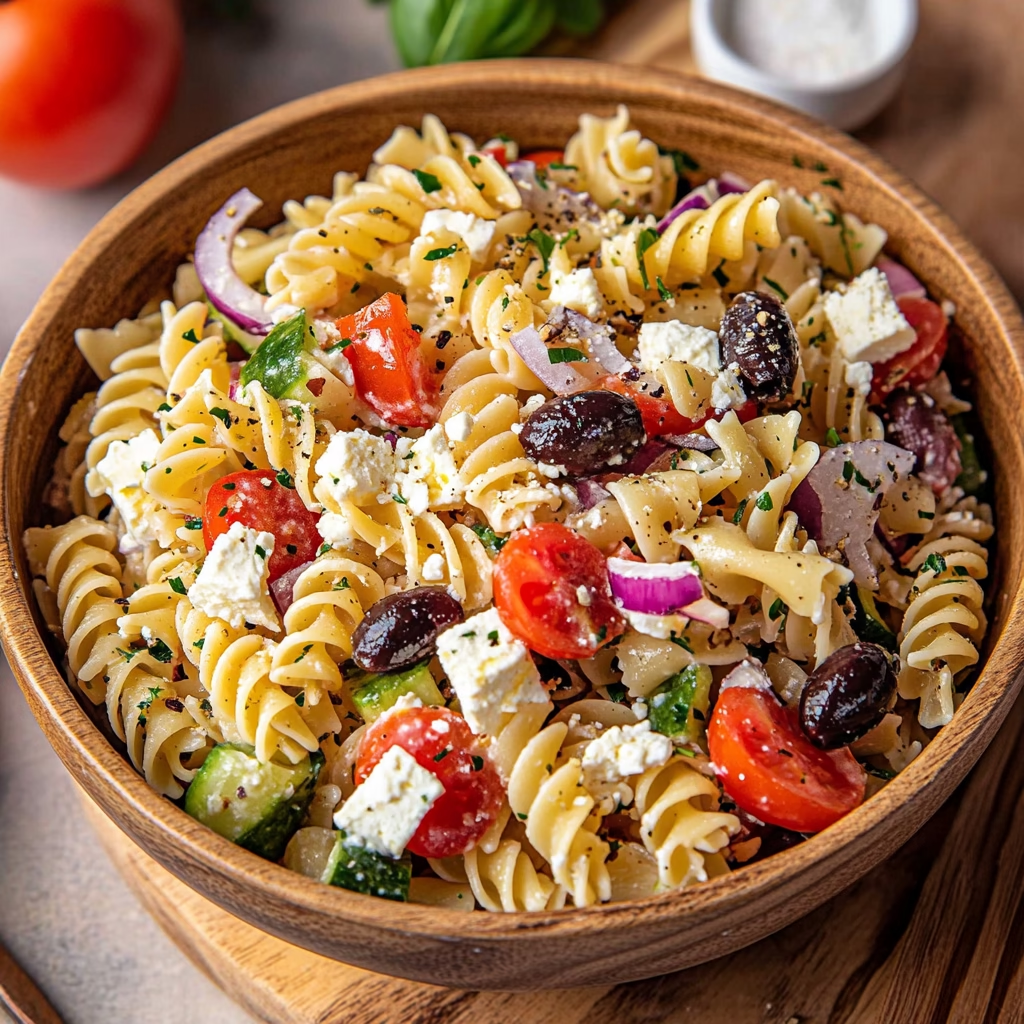
Traditional Greek Pasta Salad is a vibrant, zesty dish that brings the sunny flavors of Greece to your table. Bursting with fresh vegetables, tangy feta, and a dressing that’s equal parts bright and bold, this salad is as simple to make as it is satisfying to eat. Whether you’re cooking for a summer barbecue or a cozy family dinner, it’s the kind of recipe that feels like a labor of love without the labor. Growing up, I vividly remember watching my mother prepare dishes like this, where every ingredient had a story and purpose. This salad is a tribute to that heritage, crafted with the same energy I bring to my NYC kitchen—where fresh Mediterranean flavors find a home beside global culinary inspiration.
What makes this salad special isn’t just the ingredients but how they harmonize. The creamy feta melts slightly into the pasta, the olives add a briny punch, and the herbs deliver that crisp, earthy aroma you’ll associate with Greek summers. It’s a recipe that’s easy to adjust for your pantry, making it perfect for first-time cooks and experienced chefs alike. I’ve tried every shortcut and variation in my kitchen, and this one remains a crowd-pleaser for its bold taste, satisfying texture, and adaptability. Let’s dive into why this salad deserves a spot in your meal rotation.
What is Traditional Greek Pasta Salad?
Traditional Greek Pasta Salad, or «Greek Pasta Salad» as it’s often dubbed in American kitchens, is a reinterpretation of Mediterranean meze traditions applied to the beloved staple of pasta. Unlike classic cold pasta salads drenched in mayo, this version leans into Greek flavors: olive oil, red wine vinegar, oregano, and feta. It traces its roots to the Greek practice of serving light, herb-infused dishes that highlight seasonal produce. Think of it as a refreshing, protein-heavy salad that works equally well as a main course, side, or tapas-style sharing platter. What sets this recipe apart is its refusal to compromise—each element sings loudly while staying in harmony with the others.
The core of the dish lies in its contrasting textures and flavors. Crisp bell peppers, juicy tomatoes, and briny olives mingle with the al dente bite of pasta, while feta adds a creamy counterpoint. The dressing ties everything together, its tangy brightness balancing the saltiness of the cheese and the depth of the oil-based seasoning. In Greek households, this salad often appears during warm-weather gatherings, where it’s passed around like a flavorful secret. For modern cooks in the rush of city life, it’s a reminder that a few quality ingredients can transform the ordinary into the extraordinary.
Reasons to Try Traditional Greek Pasta Salad
This Traditional Greek Pasta Salad is worth making for one simple reason: it’s a flavor bomb that requires zero finesse. In a world where meal prep can feel like a marathon, this 30-minute recipe rewards your efforts with a dish that’s as photogenic as it is delicious. It’s ideal for first-time cooks who want to build confidence with fresh ingredients, but even seasoned home chefs will appreciate its flexibility. The no-cook elements and simple assembly means you can enjoy it while still having time for other responsibilities—whether it’s picking up the kids or meeting a work deadline.
Its versatility steals the spotlight too. Add grilled chicken for protein, swap chickpeas for a vegetarian boost, or sprinkle pine nuts for extra crunch. The long shelf life (up to four days in the fridge) makes it perfect for meal prepping or hosting. When my kids have soccer practice and I need something to keep us going between grilled meats at a picnic, this salad becomes my lifeline. The dressing deepens in flavor as it rests in the fridge, so saving it for a few hours isn’t just okay—it’s encouraged. And if you’re looking for a dish that screams «Mediterranean» with just a few ingredients, this is your golden ticket.
Ingredients Needed to Make Traditional Greek Pasta Salad
1 pound short pasta (farfalle, rotini, or fusilli recommended for their crinkled or curled shapes to catch the dressing)
1 red bell pepper, finely chopped (remove seeds for a sweeter contrast)
1 green bell pepper, finely chopped (add red onions for spiciness or purple onions for color)
1 English cucumber, quartered lengthwise and thinly sliced (look for straight ones with no soft spots)
1 cup cherry tomatoes, halved (use heirloom or grape tomatoes for extra juice)
1/2 cup thinly sliced red onion (soak in ice water to tame the bite if needed)
3/4 cup kalamata olives, pitted and halved (black olives work as a substitute, but kalamata adds authenticity)
1/2 cup crumbled feta cheese (use Greek feta for the best tang and moisture balance)
1/4 cup chopped fresh parsley (or dill or basil for a twist)
For the dressing: ⅔ cup extra virgin olive oil, ⅓ cup red wine vinegar, 2 teaspoons dried oregano, 1 teaspoon dried basil, 3/4 teaspoon garlic powder, 1 teaspoon Dijon mustard, 1/2 teaspoon salt
Instructions to Make Traditional Greek Pasta Salad – Step by Step
Step 1: Start with perfect pasta, the backbone of this dish. Pour a giant pot of water and salt it aggressively—think 1.5 teaspoons per quart. Bring it to a rolling boil before tossing in your chosen shape (I recommend fusilli for its corkscrew grip on dressing). Cook to al dente—this is non-negotiable. The pasta needs a firm bite to hold up against the vegetables and cheese. Once cooked, drain thoroughly but gently (don’t rinse yet) and transfer to a large bowl. This is where your work begins to pay off.
Step 2: While the pasta cools, prep your vegetables with speed and precision. Dice the bell peppers with their seeds intact for a touch of heat. Thinly slice the cucumber (pat it dry to avoid sogginess), and halve those cherry tomatoes for maximum juice flow. If you’re using red onion, slice it paper-thin and soak in ice water for 5 minutes. Drain well and blot dry with a paper towel—it’s a magic trick that turns raw bite into a soft glow without dulling the flavor. Add these fresh components to the bowl with the pasta. At this point, you’ll see the transformation start, with each color popping like a Greek festival. Remember, these veggies are not just decorations—they’re the star players, so quality is key.
Step 3: Now, let’s talk about the dressing. Combine the olive oil and red wine vinegar first—they’re the dynamic duo for emulsification. Swirl them together until they start mixing, then sprinkle in the herbs: oregano and basil are your anchors. The garlic powder adds a whisper of heat, while Dijon mustard brings a creamy tang without the need for mayonnaise. Stir until the salt and pepper fully incorporate, then taste. Adjust the garlic or mustard for more punch if your kitchen is missing a bold personality. Pour that dressing over the pasta and vegetable mix, tossing gently but thoroughly. The goal is to coat every nook and cranny without smushing the tomatoes or cucumbers. This is your moment to feel like a real chef—taste as you go.
Step 4: Let the salad rest in the fridge. Two hours is the minimum, but ideally, you’re looking at 48 hours to let the flavors marinate like a secret shared over olive groves. The longer it chills, the more the herbs infuse the pasta, and the dressing becomes a tenderizer for the feta. When serving, give it a good stir—the oil settles over time, and we’re bringing everything back to life. If it feels dry after refrigeration, let it sit at room temperature for 10 minutes. The olive oil will soften again, turning the salad into its best self. Now it’s time to enjoy the fruits of your labor.
Chef’s Tips for a Perfect Result
- Use al dente pasta only: Overcooked noodles absorb the dressing and fall apart in the fridge, turning your salad into a mushy mess.
- Mix herbs into the dressing first: This ensures even distribution and creates a marinade effect instead of clumping the herbs at the bottom.
- Chop veggies while pasta cools: The timing overlap makes your kitchen workflow smooth and efficient.
- Adjust vinegar-to-oil ratio for tanginess: Don’t be afraid to tweak this—some days you want more brightness, other days more richness.
- Add lemon zest for an extra layer: A teaspoon gives the dressing a fresh, uplifting edge without overpowering the red wine vinegar.
- Soak cucumbers in salted water: This drains excess moisture and prevents the salad from turning into a soggy disappointment if you’re using Persian cucumbers instead of English.
Variations and Substitutions
- Vegan Option: Replace feta with crumbled tofu marinated in lemon zest and nutritional yeast. Skip the egg if present; use vegan pasta to keep it plant-based. Texture will be slightly softer, but the tangy dressing compensates.
- Gluten-Free Alternative: Use gluten-free pasta (corn or quinoa-based). The vegetables and herbs remain untouched, and the salad’s bold flavors stay intact. Perfect for gluten-sensitive households.
- Low-Carb Version: Substitute half the pasta with chopped zucchini or cauliflower rice (sautéed until tender). The result leans more towards a grain-free grain salad, ideal for summer detox diets.
- Budget Swap: Use black olives instead of kalamata for a cheaper alternative. Pair with fresh herbs like oregano or dill from your garden to cut costs. Flavor profile shifts slightly but remains satisfying.
- Protein Boost: Add grilled chicken or shrimp for a heartier meal. The dressing clings to cooked meats, creating a tangy, herby base that doesn’t compete with the main protein.
- Spicy Kick: Ditch the regular olives and opt for chili-stuffed ones. Add a minced jalapeño to the veggies for extra heat—just adjust for your family’s sensitivity.
How to Serve and Pair
Presentation is key here. Spoon the salad into a wide ceramic bowl or serve it on a large platter for sharing. Garnish with extra feta and a drizzle of olive oil right before serving—it adds a visual and textural upgrade. For an authentic Greek touch, pair this salad with grilled meats like lamb chops or souvlaki, or serve alongside baked white fish for a light, protein-packed meal. It also elevates simple fare like roasted potatoes or crusty pita bread. When I host, I love serving it at room temperature in a family-style dish, letting everyone customize their portions with an extra hit of vinegar or herbs from the side. It’s perfect for summer picnics or as a vibrant side at barbecues.
Pair it with a chilled glass of Assyrtiko wine (white variety from Santorini) for an elevated experience. For a non-alcoholic option, club soda with a splash of lemon or oregano-infused water mimics the tangy freshness. Serve it at indoor events or outdoor feasts—it adapts to any setting as long as the vibe is laid-back and fun. The more people reach in, the happier your kitchen will be.
Storage and Reheating
Refrigerator: Store in an airtight container for up to 4 days. The pasta absorbs the dressing gradually, so resist peeking too often—it’s best when the flavors marry without oxygen interference.
Freezer: Not recommended unless you remove the feta and herbs first. The veggies and pasta freeze well, but the feta turns soft and sad. Reassemble with fresh toppings after thawing.
Room Temperature: Keep no more than 2 hours, especially in warm kitchens. This is great for quick gatherings but not for long waits—it’s more of a «grab-and-go» salad.
Reheating: If you’re warming it up, do so gently in the oven at 200°F (90°C) for 10-15 minutes to revive the dressing without overcooking anything. The microwave is fast but risks drying out the feta and herbs—only use if you’re desperate for seconds.
Nutritional Values
- Calories: 292
- Protein: 7g
- Carbohydrates: 32g
- Fat: 15g
- Fiber: 2g
- Sugar: 3g
Approximate values.
Frequently Asked Questions
Can I use gluten-free pasta for Traditional Greek Pasta Salad?
Yes, simply swap the regular pasta for gluten-free alternatives. The dressing and vegetables are naturally gluten-free, but always verify with olive brands to avoid cross-contamination.
How do I tell when the dressing is balanced?
The dressing is ready when the flavors taste sharp and rich in harmony. Taste as you whisk and adjust vinegar or oil—start with the recipe ratio, then tweak for personal preference.
Why does my feta become gummy in the salad?
This usually happens if you use a crumbly, dry feta. Opt for blocks of feta that are still moist. Letting the salad chill also improves creaminess by allowing the cheese to soften slightly.
Can I make this ahead of time?
Absolutely. Cook and refrigerate up to 24 hours in advance. The pasta will absorb the dressing better when chilled. Just remember to stir before serving to redistribute flavor.
What’s the best way to customize this salad?
Add grilled chicken, chickpeas, or sun-dried tomatoes for variations. Toasted walnuts or pine nuts give a nutty crunch. Keep any additions compatible with the salad’s refreshing profile.
Conclusion
Traditional Greek Pasta Salad is a celebration of bold flavors and effortless preparation. It’s the kind of dish that keeps your guests guessing while your hands stay clean. The tang of the dressing and the brine of the olives create a flavor profile that’s instantly recognizable and utterly craveable. Give this salad a try for your next family meal or summer gathering, and let the vibrant ingredients remind you that sometimes the simplest dishes have the biggest impact.
PrintTraditional Greek Pasta Salad
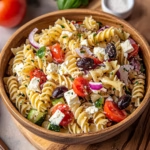
A vibrant, zesty dish with fresh vegetables, tangy feta, and a bright olive oil-vinegar dressing. Perfect for summer gatherings or a quick meal, this Greek-inspired salad balances crisp textures, briny olives, and earthy herbs.
- Prep Time: 15
- Cook Time: 10
- Total Time: 25
- Yield: 4 servings
- Category: salads
- Method: No-Cook
- Cuisine: Greek
- Diet: Vegetarian
Ingredients
8 oz (225g) fusilli or penne pasta
1 cup (150g) crumbled feta cheese
1 red bell pepper, chopped
1 yellow bell pepper, chopped
1 pint (200g) cherry tomatoes, halved
1/2 cup (50g) Kalamata olives
1 small red onion, thinly sliced
1/4 cup Kalamata olive oil
1/4 cup apple cider vinegar (substituted for red wine vinegar)
1 tsp dried oregano
1 garlic clove, minced
1/4 cup fresh basil or parsley, chopped
Salt and black pepper to taste
Instructions
Cook pasta according to package instructions until al dente, then drain and cool.
In a large bowl, combine cooked pasta, bell peppers, cherry tomatoes, Kalamata olives, red onion, and feta cheese.
In a separate jar, whisk olive oil, apple cider vinegar, oregano, minced garlic, and herbs. Adjust with salt and pepper.
Pour dressing over the pasta mixture and toss to coat evenly.
Chill for at least 30 minutes before serving to let flavors meld.
Notes
Substitute zucchini or cucumbers for bell peppers if preferred. Use gluten-free pasta for a gluten-free version. Store leftovers refrigerated for up to 2 days.