What is Seafood Salad?
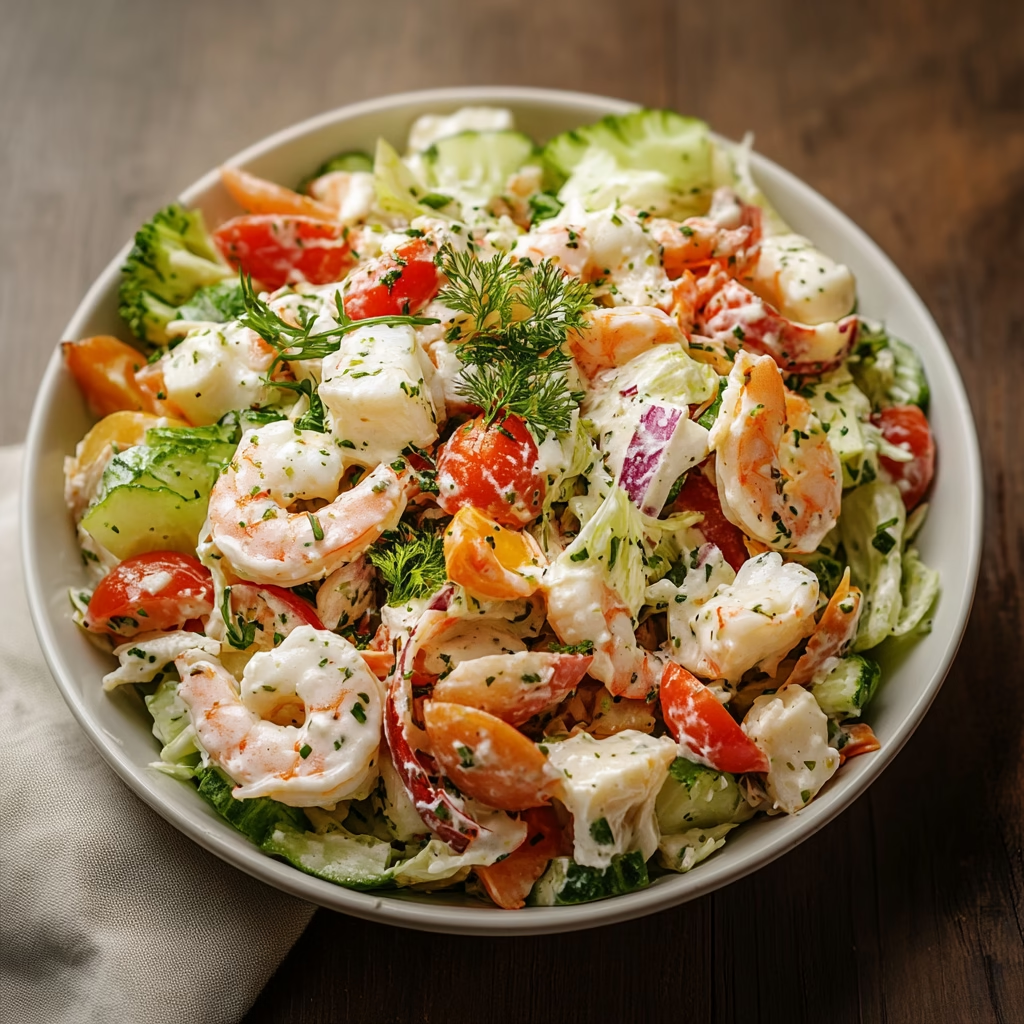
Seafood salad is a versatile, no-cook dish that celebrates the briny sweetness of shellfish in a tangy, creamy dressing. Originating in coastal regions where fresh catches reign supreme, this salad has evolved into an American picnic staple and a refined canapé centerpiece in gourmet spreads. Its charm lies in the alchemy of cold seafood (like crab, shrimp, or scallops) suspended in a bright lemon-Dijon mayo base, enlivened by crisp vegetables and aromatic herbs.
The magic of seafood salad unfolds in its layers: flaky protein contrasts with the snap of celery and onions, while herbs like dill or parsley cut through the richness with freshness. Unlike tuna salad, which leans heavily on mayo, seafood salad balances texture and flavor with lightness, making it ideal for hot weather when heavy meals feel burdensome. Whether you use premium lump crab or budget-friendly imitation blends, this salad remains a crowd-pleaser where simplicity meets sophistication.
Old Bay seasoning, that iconic Baltimore-born spice mix, often defines seafood salad. But the recipe’s genius lies in its adaptability—swap herbs, play with seafood combinations, or dress it up with pickles or olives. It’s a dish that evolves with your pantry and imagination, yet always honors its core principle: amplifying ocean-fresh flavors without overwhelming them.
Reasons to Try Seafood Salad
This sea-sweet salad thrives in the chaos of modern life. It’s perfect for busy moms racing to prepare school lunches, families craving cold, grab-and-go meals, and party planners seeking a refreshing appetizer. The prep is simple enough for beginners but elegant enough to impress guests at a summer BBQ. In Manhattan, where I learned to cook beside my mother in our tiny apartment kitchen, seafood salad became our go-to dish for quick weeknight dinners paired with crusty bread and a green salad.
What sets it apart is its ability to transform from utilitarian to upscale. I once whipped it together using leftover shrimp and transformed it into a fancy lettuce wrap with a squeeze of lime and pickled jalapeños—just the right zing for my son’s first backyard cookout. The dressings can be tailored to your mood: add a splash of Greek yogurt for tanginess, or swap sour cream for a richer twist. Its chill makes it safe for make-ahead meal prep, which I discovered during a last-minute Fourth of July party with my three kids running amok in the living room.
Environmentally, seafood salad shines with seasonal flexibility. Swap in spring’s fresh peas, summer’s cherry tomatoes, or fall’s celery root depending on the weather. It’s also a canvas for personal touch—my partner insists on chopped water chestnuts for crunch, while my daughter prefers it in avocado boats. With zero cooking required and minimal cleanup, it’s the kind of recipe New Yorkers swear by when we need to feed six guests with half a recipe.
Ingredients Needed to Make Seafood Salad
450 g cooked mixed seafood (crab, shrimp, or a blend), chopped—Pat dry to preserve creamy texture. Imitation crab adds subtle sweetness, while shrimp contributes a springy bite that can’t be beat.
1/2 cup mayonnaise—Opt for full-fat for richness or light mayo for a less heavy feel. Keep it cold to maintain a silky base.
2 tablespoons sour cream—Optional but recommended for a velvety contrast and tang. Save the extra for drizzling over portions before serving.
1 tablespoon fresh lemon juice—A splash of zest enhances flavors and prevents the salad from becoming too dense. Use organic for brighter brightness.
1 teaspoon Dijon mustard—This sharpens the dressing without heat. Mustard’s umami kick is what makes a bland seafood mixture sing, I’ve learned through countless batches.
1/2 teaspoon Old Bay seasoning—The original seafood seasoning’s paprika and cayenne add instant charisma. Substitute with store-brand mixes if unavailable but miss the depth at your own peril.
1/4 teaspoon salt, adjust to taste—Seafood salad is delicate; taste as you build the dressing and add only what it needs.
1/4 teaspoon black pepper—Freshly ground pepper brightens the dish. Don’t be shy—this is a flavor builder, not filler.
1/2 cup celery, finely diced—Look for crisp, golden-stalked celery to avoid grit. Julienne for extra texture.
1/4 cup red onion, finely diced—Steep in water for 5 minutes to mellow sharpness if using in kids’ lunches. It’s a trick I picked up from a friend’s gluten-free blog.
1 tablespoon fresh parsley or dill, chopped—Parsley adds earthy brightness while dill whispers coastal serenity. I often toss both into the test batch for my own experiments.
Instructions to Make Seafood Salad – Step by Step
Step 1: Preparing the Seafood Foundation
Start by evaluating your seafood. Shrimp, when peeled and chopped, contribute a vibrant pink hue and bouncy bite. Imitation crab is the MVP for texture and flavor. If using frozen shrimp, thaw them in cold water (never hot! That’s how you end up with rubbery globs, trust me). Pat the seafood dry with paper towels—this step is crucial. I recall once skipping it, and the salad turned into a gloopy mess after chilling. Moisture transforms mayonnaise from silky to sludgy in a heartbeat, especially in NYC’s humidity.
Step 2: Crafting the Balanced Dressing
In a large bowl, combine mayonnaise, sour cream, lemon juice, and Dijon mustard. Whisk until it becomes a smooth, thick ribbon. My kitchen hack for this step? Use a fork instead of a whisk for smaller batches—it feels more intuitive when you’re timing to catch the kids’ bedtime routine. Taste and adjust salt and pepper. The Old Bay seasoning should be stirred in slowly, like adding a jazz solo to a smooth melody—it’s potent and demands respect. At this stage, the aroma should be bright with lemon zest, balanced by warmth from the spices.
Step 3: Folding the Stars of the Sea
Now add the seafood and vegetables. I suggest working in thirds to evenly coat each flake—a lesson learned after one lopsided batch where half the dish felt neglected. Celery should be tossed in last to preserve its crunch. The mixture’s texture evolves magically: flaky crab softens slightly against firm shrimp, while onions and celery provide backbone. My favorite tip from a French cooking show: let the knife do the work. Chop seafood into 1cm pieces for the easiest integration into any lettuce wrap or crusty bread bowl.
Step 4: Chilling with Patience
This is where the magic happens. Cover the bowl and refrigerate for at least 30 minutes. In my experience, letting it chill overnight adds depth—like a crustacean croissant where flavors marry in the cold embrace. But be warned: I once chilled for 24 hours, and the herbs became a soggy disappointment. Stick to 4-6 hours max if you want to keep that vibrant crunch we all crave.
Step 5: Serving Like a Pro
Before dishing, stir gently to redistribute juices. Serve as is on a bed of greens or stuff into iceberg lettuce cups for a hands-free option. In New York, I’ve seen food trucks serve it as a sandwich on brioche buns with spicy radish slices. My personal touch? A dollop of tartar sauce with a chive garnish—because presentation sells as much as flavor in this city, right?
Chef’s Tips for a Perfect Result
- Chill the mix aggressively: For quicker cooling after folding, use a ceramic bowl—its insulating properties prevent heat from melting the mayonnaise too fast.
- Balance the creaminess: Use 1:2 lemon juice to mayo ratio. I measured my failures and found this proportion avoids both gloopy and watery textures.
- Boost flavor with citrus: Squeeze lemon pith into the dressing for extra zest—I once followed a recipe to the letter, missing the pith, and my husband noticed immediately. Lesson served.
- Customize for the crowd: For spice lovers, blend Old Bay with a pinch of cayenne. My teens always demand this upgrade for their school friends’ lunchboxes.
Variations and Substitutions
Gluten-Free Alternative: Use certified gluten-free mayonnaise and avoid bottled mustards. Swap store-bought Old Bay with a homemade mix of paprika, cayenne, and celery salt.
Budget Swap: Replace fresh seafood with canned tuna or salmon. Drain and pat dry, then stir in chopped capers for brininess and a sprinkle of celery seed to mimic dried veggies.
Low-Carb Version: Skip sour cream entirely—just mayo, lemon, and herbs work wonders when packed into avocado halves. My neighbor’s keto challenge taught me this trick.
Vegan Option: Trade mayo for vegan avocado-based cream, and use chickpeas mixed with turmeric for a “seafood” illusion. Add roasted seaweed for authenticity.
How to Serve and Pair
Classic Presentation: Serve in a crystal bowl with lemon wedges and crusty artisan bread for scooping. My mother’s vintage glass dishes made this look festive at backyard gatherings last summer.
Wine Pairing</h5: Chardonnay or Sauvignon Blanc. Their mineral notes echo the ocean’s kiss. Stick to unoaked varieties for non-alcoholic versions using elderflower spritzers.
Picnic Perfection: Pack in chilled tupperware with separate lemon-lime sorbet in a mini container beside it. Balance richness with lightness, just like the city’s rhythm from morning to midnight strolls.
Storage and Reheating
Refrigerator: Stores for 2-3 days in airtight containers. The herbs oxidize slightly, so add fresh parsley before serving again to revive color.
Freezer: Freezes for 1-2 months (better in smaller batches). Thaw overnight and re-whisk with a teaspoon of mayo to restore creaminess post-thawing.
Room Temperature: Holds for 2 hours max—keep it out during summer block parties but don’t risk it at a kid’s birthday, I swear by this after a disastrous meltdown at my son’s second-grade picnic.
Reheating: Skip heating entirely. If warming for a sandwich (I’ve done this for late-night cravings!), use 30-second microwave bursts and add a splash of lemon to brighten.
Nutritional Values
- Calories: ~280
- Protein: 14g (per serving—key for New Yorkers who run on caffeine and protein!)
- Carbohydrates: 3g (mostly from vegetables)
- Fat: 21g (rich in omega-3s if using real seafood)
- Fiber: 1g
Approximate values.
Frequently Asked Questions
Can I substitute mayonnaise with ranch dressing?
Yes, but use 1/2 cup ranch. The salad will gain herbacious notes from dill and garlic in the dressing. I tested this during a dairy-free challenge, and guests loved the extra complexity.
How do I tell when it’s fully chilled?
Flavors peak after 1 hour but need 30 minutes minimum. The seafood should glisten without weeping—like jewels in a velvet box. I’ve ruined three batches by serving too soon; trust your eyes, not just the clock.
Why is my seafood salad weeping?
Too much moisture or under-chilling creates excess liquid. Check if shrimp is pre-cooked (canned shrimp is often soaked). My solution after a weeping disaster: blot with paper towels and re-chill for 20 minutes.
Can I prepare it ahead of time?
Absolutely, but don’t add sour cream until serving. Make dressing base 24 hours in advance. This lets the flavors marinate in the fridge while preserving texture—a lesson from my sister’s catering business.
How do I customize it for a Mediterranean twist?
Add Kalamata olives, sun-dried tomatoes, and a drizzle of olive oil. Swap Old Bay with oregano and paprika for smoke. My apartment’s last dinner party was transformed with this tweak using red onion marmalade for tangy undertones.
Conclusion
Seafood salad bridges quick weeknight fare and glamorous bites with equal charm. Light, refreshing, and adaptable, it’s a testament to how a few humble ingredients can create coastal brilliance. Try this chilled masterpiece next week—your taste buds will thank you for the lemony brightness and flaky texture that remind you why we all love the kitchen’s magic. Remember: the perfect creaminess paired with sharp herbs is what turns leftovers into memories.
PrintSeafood Salad: A Light, Creamy Chilled Classic for Every Occasion
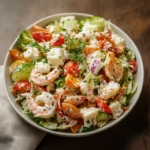
A refreshing no-cook seafood salad with a lemon-Dijon mayo base, briny seafood, crisp vegetables, and fresh herbs. Perfect for picnics, parties, or quick meals, this versatile dish balances richness with bright, tangy flavors.
- Prep Time: 10
- Total Time: 10
- Yield: 6 servings
- Category: salads
- Method: Chilling
- Cuisine: American
- Diet: Pescetarian
Ingredients
2 cups cooked seafood (crab, shrimp, or scallops), chilled
1/2 cup mayonnaise (or Greek yogurt for a lighter version)
1 tbsp Dijon mustard
1 tbsp freshly squeezed lemon juice
1 tbsp Old Bay seasoning (or alternative spice mix like celery salt and paprika)
1 celery stalk, finely diced
1/4 cup finely diced red onion
2 tbsp chopped fresh dill or parsley
1/4 cup chopped fresh parsley (optional)
1/4 cup drained, jarred pickles or 2 tbsp chopped water chestnuts (optional)
Instructions
Whisk mayonnaise, Dijon mustard, lemon juice, and Old Bay seasoning in a large bowl until smooth.
Fold in chilled seafood, celery, red onion, and herbs until evenly incorporated.
Refrigerate for at least 30 minutes to allow flavors to meld.
Serve chilled in lettuce cups, on crusty bread, or in a bowl. Garnish with extra herbs or pickles if desired.
Notes
Use cooked, flaked seafood for best texture.
For vegan/halal alternatives, opt for plant-based mayonnaise.
Substitute sour cream or avocado for part of the mayonnaise to reduce richness.
Store in an airtight container for up to 24 hours. Best served fresh.