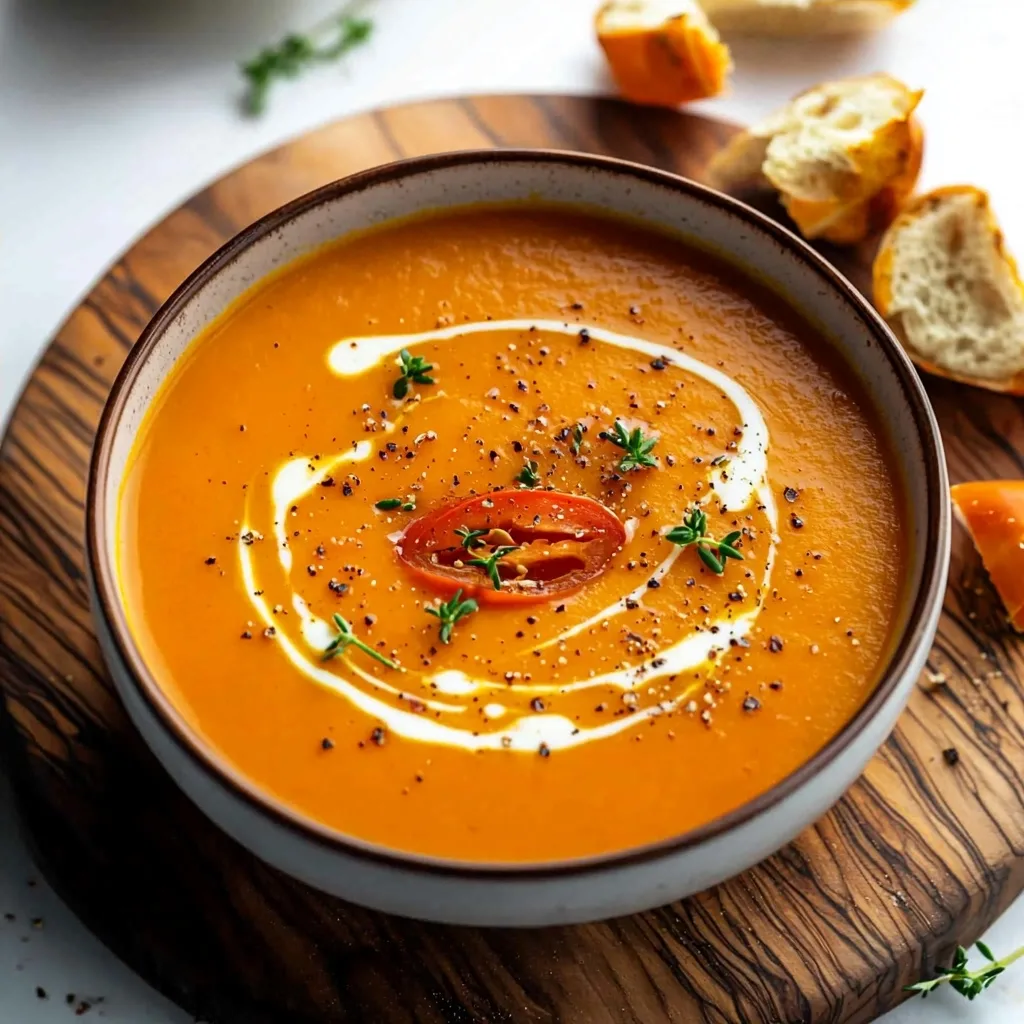

Low carb butternut squash soup with coconut milk is the ultimate comfort dish when the air turns crisp and you need something warming, healthy, and incredibly flavorful. Growing up in a busy household, I learned quickly that dinner doesn’t have to be complicated to taste like a gourmet masterpiece. This vibrant, velvety soup bridges the gap between indulgent creaminess and clean, whole-food ingredients without the need for heavy cream or complex fillers.
Bringing together the earthy sweetness of roasted squash with the tropical richness of coconut milk, this recipe has become a staple in my kitchen. Whether you are navigating a busy weeknight or planning a cozy weekend dinner, this low carb butternut squash soup with coconut milk delivers consistency and bold curry undertones that will impress even the pickiest eaters. Let’s dive into how you can make this satisfying bowl of magic right in your own kitchen.
What is Low Carb Butternut Squash Soup with coconut milk?
This dish is a reimagined classic that focuses on balancing the natural sugars of squash with the healthy fats of coconut milk. While traditional recipes often rely on heavy cream or flour thickeners, this version stays light and nutritious, making it perfect for those following Paleo, Whole30, or low-carb lifestyles. By pureeing the tender squash with creamy coconut milk, we achieve an luxurious texture that feels like a guilty pleasure while remaining completely dairy-free.
The secret weapon here is the inclusion of curry powder, which adds a warm, aromatic depth that cuts through the sweetness of the squash. It transforms a simple vegetable puree into a sophisticated soup that feels like it came straight out of a trendy New York bistro. It is proof that you do not need long lists of ingredients to create something truly special and memorable.
Reasons to Try Low Carb Butternut Squash Soup with coconut milk
If you are looking for a recipe that ticks all the boxes—flavor, health, and speed—you have found it. This soup is incredibly versatile, fitting perfectly into meal prep routines because it actually tastes better the next day after the flavors have had time to mingle. It is also an excellent way to get more plant-based nutrients into your diet without sacrificing that cozy, comforting feeling we all crave during colder months.
It is also a fantastic project for beginners. Whether you prefer the set-it-and-forget-it nature of an Instant Pot or the classic control of a Dutch oven, the process is straightforward and forgiving. Even if you mess up the texture, a quick pass with an immersion blender fixes everything. It is a win-win for busy parents and home cooks who want to spend less time cleaning up and more time enjoying a delicious meal with their family.
Ingredients Needed to Make Low Carb Butternut Squash Soup with coconut milk
- 3 lbs butternut squash (peeled, seeded, and cut into 1-inch cubes)
- 3 teaspoons garlic cloves (minced for maximum aromatics)
- 1 tablespoon curry powder (use a mild or medium blend depending on heat preference)
- 1 can coconut milk (full fat provides the creamiest result, light works for a lower calorie count)
- 3 cups chicken broth or bone broth (bone broth adds extra protein)
- 1 tablespoon lime juice (freshly squeezed provides the best brightness)
- 1/2 teaspoon sea salt (plus more to taste)
- 1/2 teaspoon black ground pepper (freshly cracked is best)
Instructions to Make Low Carb Butternut Squash Soup with coconut milk – Step by Step
Step 1: If using your Instant Pot, combine the cubed butternut squash, chicken broth, and minced garlic in the inner pot. Secure the lid, seal the valve, and set it to manual high pressure for 8 minutes. Once the time is up, carefully perform a quick pressure release to stop the cooking process immediately.
Step 2: For the stovetop method, place your cubed squash into a large Dutch oven or heavy-bottomed pot and cover with the chicken broth. Bring the mixture to a boil over medium-high heat, then reduce the heat to a gentle simmer. Cook for about 15 minutes, or until the squash is fork-tender and yielding.
Step 3: Once the squash is tender, stir in your coconut milk, curry powder, sea salt, and black pepper. Using an immersion blender, carefully puree the soup directly in the pot until you reach a silky, smooth consistency. If you are using a standard blender, be sure to leave a small gap in the lid to let steam escape so it doesn’t pop off.
Step 4: Finally, stir in the fresh lime juice. This final splash of acidity is the secret to waking up all the flavors. Taste the soup and adjust your seasonings if you feel it needs an extra pinch of salt or a bit more heat. Serve it while it is steaming hot and enjoy the beautiful, vibrant result of your hard work.
Chef’s Tips for a Perfect Result
- Use an immersion blender: It is a game-changer for soup lovers as it allows you to blend directly in the pot without splashing hot liquid everywhere.
- Don’t skip the lime: The acidity is essential to balance the sweetness of the squash and the heavy fat from the coconut milk.
- Toast your curry powder: If you have an extra minute, briefly sauté the curry powder in a tiny bit of oil before adding broth to bloom the spices.
- Adjust consistency: If you prefer a thinner soup, simply add a splash more broth until you reach your desired texture.
Variations and Substitutions
- Vegan Option: Simply use a high-quality vegetable broth instead of chicken or bone broth for a 100% plant-based meal.
- Low-Carb Boost: Add a spoonful of cauliflower florets during the boiling stage to bulk up the soup without adding significant carbs or altering the flavor.
- Budget Swap: If fresh squash is out of season or too pricey, you can use frozen cubed butternut squash, which is already peeled and chopped for your convenience.
How to Serve and Pair
I love serving this soup in wide, shallow bowls to show off a pretty drizzle of extra coconut milk or a sprinkle of toasted pepitas. For a complete meal, pair it with a crisp green salad tossed in a lemon-tahini dressing or a side of roasted protein like chicken or tofu. It is the perfect starter for a dinner party or a comforting main course on a rainy Tuesday night.
Storage and Reheating
Refrigerator: Store in an airtight container for up to 4 days. It is a fantastic option for meal prepping because the flavors continue to develop over time.
Freezer: This soup freezes beautifully for up to 3 months. Let it cool completely before transferring to freezer-safe bags or containers, leaving a little room for expansion.
Reheating: Reheat on the stovetop over low heat, stirring occasionally. If using a microwave, heat in 60-second intervals and stir well to ensure the coconut milk remains emulsified.
Nutritional Values
- Calories: 176 kcal
- Protein: 3g
- Carbohydrates: 21g
- Fat: 11g
- Fiber: 6g
Approximate values.
Frequently Asked Questions (FAQ)
Can I substitute heavy cream for coconut milk?
Yes, you can substitute coconut milk with heavy cream if you are not strictly dairy-free, but keep in mind that the flavor profile will lose that subtle tropical nuttiness. The texture will remain similar, though the soup will be much higher in calories and saturated fat.
How do I know when the butternut squash is fully cooked?
The squash is done when it is fork-tender, meaning a fork slides into a piece with zero resistance. If the center still feels firm or dense, it needs a few more minutes, as undercooked squash will result in a grainy soup texture.
Why is my soup flavorless despite following the recipe?
It is almost always a lack of salt or acid. Start by adding a small pinch of salt at a time and stirring well, then taste again, as salt is the primary flavor enhancer for vegetables like squash.
Can I prep this soup in advance for a busy week?
Absolutely, this is one of the best make-ahead meals because the spices bloom even more as it sits in the fridge. Prepare it fully, cool it down, and simply reheat it on the stove when you are ready to eat.
What are the best garnishes to customize this soup?
Toasted pumpkin seeds or pepitas add a great crunch, while fresh cilantro or Thai basil adds a burst of herbal freshness. A drizzle of chili oil is also fantastic if you enjoy a little kick of heat with your meal.
Conclusion
This low carb butternut squash soup with coconut milk is a testament to how simple ingredients can create a world-class dining experience in your own kitchen. I encourage you to whip up a batch this week and embrace the vibrant, warming flavors that make this dish a true standout. That perfect balance of creamy, curried comfort is exactly why this soup will stay in your permanent rotation all season long.
This content is inspired by a fan perspective and is not affiliated with Gordon Ramsay or his official brand.
PrintLow Carb Butternut Squash Soup with Coconut Milk

Experience the ultimate comfort with this creamy, velvety butternut squash soup. By replacing traditional heavy cream with rich coconut milk and adding a touch of warming curry powder, this dish offers a sophisticated, gourmet flavor profile that is both healthy and low-carb. Perfect for chilly evenings, this dairy-free and nutrient-dense soup is simple to prepare, making it an ideal choice for quick weeknight dinners or cozy weekend gatherings.
- Prep Time: 15
- Cook Time: 30
- Total Time: 45
- Yield: 6 servings
- Category: Dinner
- Method: Stovetop
- Cuisine: Fusion
- Diet: Paleo, Whole30, Vegan
Ingredients
3 lbs butternut squash, peeled, seeded, and cut into 1-inch cubes
1 can (13.5 oz) full-fat coconut milk
4 cups vegetable broth
1 large yellow onion, diced
2 cloves garlic, minced
1 tbsp coconut oil
1 tbsp curry powder
1/2 tsp ground ginger
Salt and black pepper to taste
Instructions
Heat coconut oil in a large pot or Dutch oven over medium heat.
Add the onion and sauté until translucent, about 5 minutes.
Add the garlic, curry powder, and ginger, cooking until fragrant.
Stir in the butternut squash cubes and coat them with the spice mixture.
Pour in the vegetable broth, bring to a boil, then reduce heat to low and simmer for 20-25 minutes until squash is fork-tender.
Remove from heat and stir in the coconut milk.
Use an immersion blender to puree the soup until smooth and creamy.
Season with salt and pepper to taste and serve warm.
Notes
Store leftovers in an airtight container in the refrigerator for up to 4 days. This soup freezes well for up to 3 months. For a smoother texture, you can use a high-speed blender instead of an immersion blender.