The Roasted Veggie and Hummus Bowl is a vibrant, satisfying dish that celebrates the simplicity of clean eating. Whether you’re craving a nourishing lunch or a hearty dinner, this plant-based recipe marries the earthy sweetness of roasted vegetables with the creamy comfort of hummus, creating a meal that’s as colorful as it is delicious. Each bite balances smoky, zesty, and fresh flavors, making it an ideal choice for those who want to experiment with Mediterranean-inspired dishes without stepping out of their kitchen routine. Customize this bowl to suit your preferences—add a protein, tweak the spices, or swap in seasonal veggies—and discover why it’s a kitchen staple for food lovers in fast-paced cities like New York.
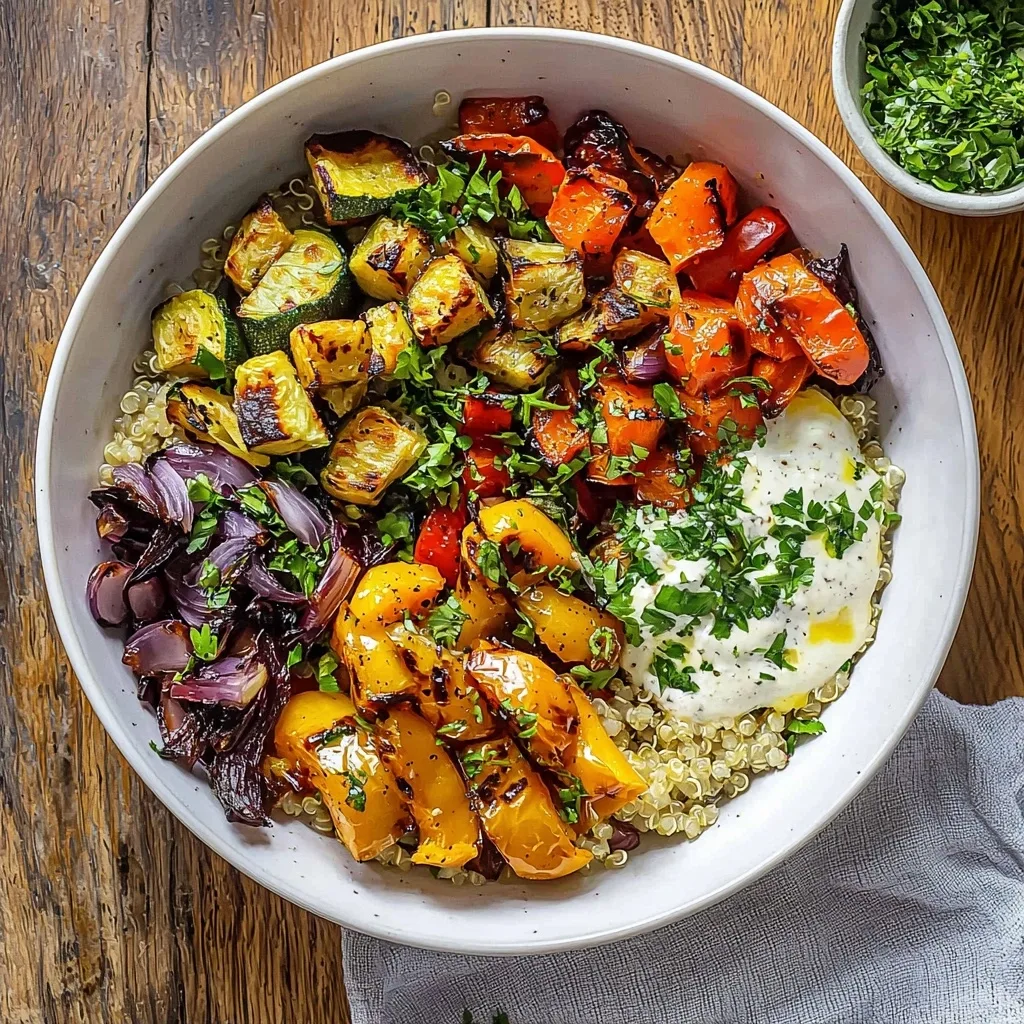
As the sun dips over the skyline, this dish brings a touch of the Mediterranean to your table. The key is in the charred vegetables: broccoli, bell peppers, zucchini, and cherry tomatoes become tender and caramelized when baked, while the hummus adds a protein-rich base. Sprinkle crumbled feta and toasted pine nuts for depth, then finish with a lemon wedge to cut through the richness. It’s not just a meal—it’s a celebration of bold flavors crafted for convenience without compromising quality.
What is Roasted Veggie and Hummus Bowl?
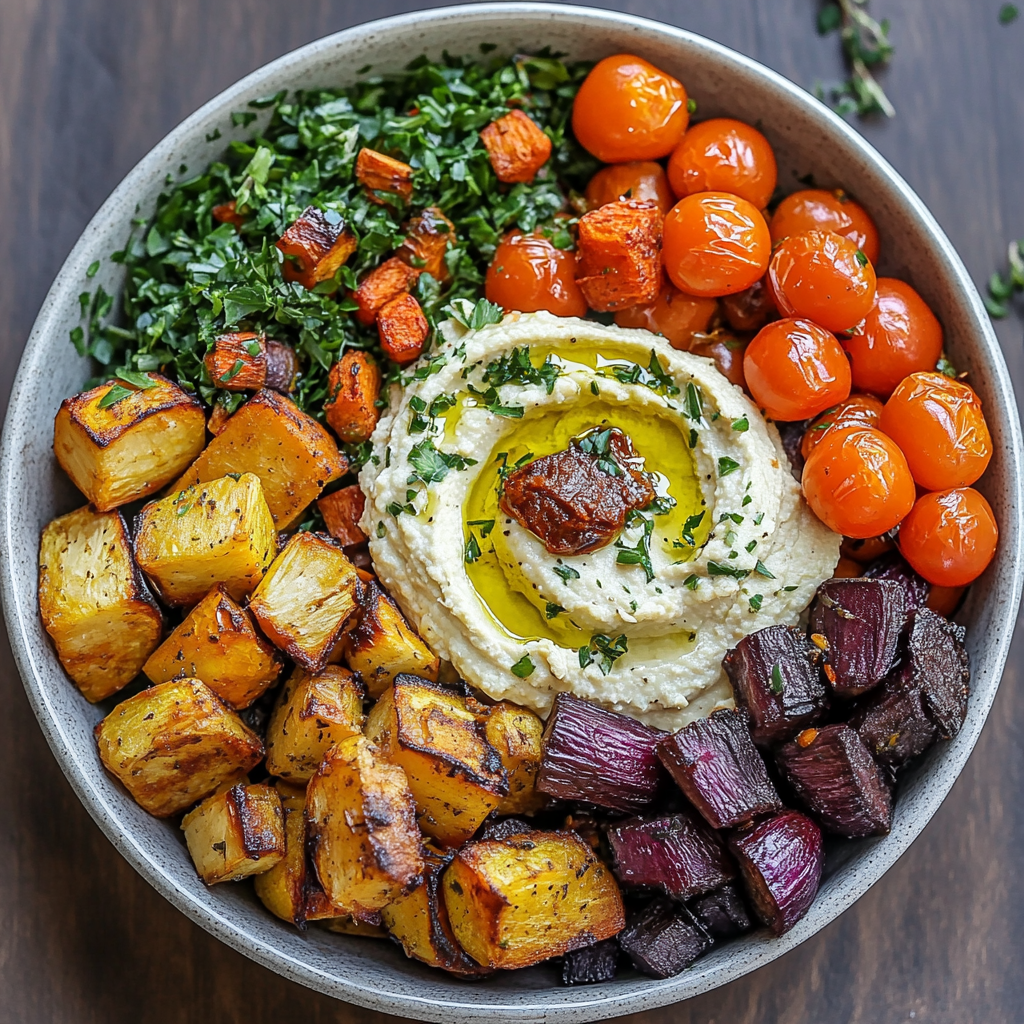
A Roasted Veggie and Hummus Bowl is a plant-forward dish that layers oven-roasted vegetables over a foundation of protein-packed hummus. The roasted veggies are seasoned with spices like smoked paprika and cumin, offering a savory-sweet profile, while the hummus adds creaminess and a boost of healthy fats. This bowl format lets you control portions, textures, and toppings, making it adaptable for families, solo dinners, or meal prepping.
Rooted in the principles of Mediterranean cuisine, this recipe prioritizes fresh, unprocessed ingredients like legumes, vegetables, and olive oil. It’s a modern take on classics like Greek salads and tabbouleh, simplified into an easy-to-prepare meal. The flexibility of the bowl allows it to double as a base for salads, grain dishes, or even a plant-based main course when paired with additional proteins.
Reasons to Try Roasted Veggie and Hummus Bowl
Between meetings and pick-up lines, this dish fits seamlessly into your day. It’s ready in 35 minutes, combining oven-charring and quick assembly for meals that feel gourmet but take minutes to make. The roasted veggies develop a nutty aroma as they brown, while the hummus keeps the bowl moist and flavorful. No need to juggle multiple pans—this single-bake recipe is a game-changer for home cooks with limited time.
Beginners will appreciate the forgiving nature of the recipe, and vegetarians will relish its plant-based richness. Busy parents can pre-portion the quinoa or couscous ahead of time, ensuring a hassle-free dinner. The bowl’s versatility is unmatched: add grilled tofu for extra protein, swap pistachios for crunch, or use heirloom carrots for a pop of color. It’s a canvas for your culinary creativity without sacrificing nutritional value.
Ingredients Needed to Make Roasted Veggie and Hummus Bowl
For the Roasted Vegetables:
- 2 cups broccoli florets (fresh or frozen, chopped into bite-sized pieces)
- 1 red bell pepper, diced (skin slightly charred for smoky flavor)
- 1 zucchini, sliced into half-moons (about 6-8 medium slices)
- 1 cup cherry tomatoes (halved to prevent sogginess)
- 1 red onion, sliced (cut into rounds for caramelization)
- 2 tbsp olive oil (extra virgin olive oil for bold taste)
- 1 tsp smoked paprika (for depth, not heat)
- 1/2 tsp garlic powder (adds savory warmth)
- 1/2 tsp ground cumin (earthy complement to roasted veggies)
- Salt and pepper to taste (freshly ground for maximum flavor)
For the Bowl Base:
- 1 1/2 cups hummus (store-bought works, but garlic or sun-dried tomato variety elevates the dish)
- 2 cups cooked quinoa (or brown rice, couscous for texture and heartiness)
For Toppings:
- 1/4 cup crumbled feta (optional; adds tang and saltiness)
- 2 tbsp toasted pine nuts or sunflower seeds (for toasty crunch)
- 1/4 cup chopped parsley or cilantro (fresh herbage for brightness)
- Lemon wedges (essential for balancing richness)
- Drizzle of olive oil (optional, for extra silkiness)
Instructions to Make Roasted Veggie and Hummus Bowl – Step by Step
Step 1: Preheat your oven to 400°F (200°C) while you prep the veggies. The heat needs to rise steadily to caramelize the sugars in the vegetables without steaming them. Spread parchment paper on a large baking sheet to prevent sticking and make cleanup a breeze. This is where the magic begins—watch the broccoli edges curl into golden caramelized perfection within 20 minutes.
Place the broccoli, red bell pepper, zucchini, cherry tomatoes, and red onion on the baking sheet. Make sure the vegetables aren’t overcrowded (I’ve learned the hard way that this step matters!). Toss them gently with a spatula to mix in 2 tbsp of olive oil and the spices: smoked paprika, garlic powder, cumin, salt, and pepper. The olive oil acts as the binder, ensuring every piece gets charred to smoky deliciousness. Focus on even coverage—you don’t want any veggie to end up underseasoned!
Step 2: Roast the vegetables for 20–25 minutes, flipping or stirring halfway. As they cook, you’ll notice the red onion turning tender and slightly charred, while the zucchini releases enough moisture to char, not boil. Cherry tomatoes might puff like tiny air balloons and add a natural sweetness. When the veggies have a roasted texture and golden edges, they’re ready to shine in your bowl.
Taste one piece to confirm doneness—it should be fork-tender with a slightly crisp skin. If you prefer more smokiness, roast for an extra 5 minutes but watch closely. The paprika and cumin work their way into every crevice, giving each bite layers of savory depth. Don’t skimp on the stirring process in the first 10 minutes; it ensures even browning.
Step 3: Build the bowl base while the oven does its work. For a hearty foundation, divide 2 cups of cooked quinoa (or your chosen grain) among four individual bowls. The quinoa acts as a moisture-absorber, soaking up the hummus’s richness and the veggie char. If you’re going low-carb, skip this step and focus on the hummus base alone.
Add a generous dollop of hummus to one side of each bowl. Use store-bought hummus if you’re short on time, but a garlic or roasted red pepper variant adds extra flair. I often mix in a splash of lemon juice here—just enough to cut the richness. The hummus should coat the bottom like a velvety cloud, cradling the veggies below.
Chef’s Tips for a Perfect Result
- Use parchment paper: It prevents sticking and makes cleanup easier, especially when handling roasted vegetables that can seize onto metal sheets.
- Don’t crowd the baking sheet: Space allows the veggies to caramelize instead of steaming. For small ovens, consider roasting in batches.
- Toast pine nuts separately: A quick 3-minute sauté in a pan unlocks their natural oils and adds deeper toasty flavor (no one likes raw bitterness!).
- Let cooked quinoa cool briefly: If you add it to the bowls while piping hot, it can soften the hummus into a sauce. Wait 10 minutes for structural balance.
- Customize in layers: Spread hummus first for a smooth foundation, then nest roasted vegetables on top, and finally pile herbs or seeds over for texture contrast.
Variations and Substitutions
Vegan Option: Skip the feta cheese entirely or use a dairy-free alternative like vegan cheddar or nutritional yeast for umami. The earthiness of the spices and hummus will still shine.
Gluten-Free Alternative: Ensure your hummus contains no wheat additives—a look at the label is worth 10 minutes of your Sunday morning. Use brown rice in place of couscous for safety.
Low-Carb Version: Remove the quinoa/rice and double the hummus or add a bed of raw spinach. The dish becomes richer and more focused on legumes and charred vegetables.
Budget Swap: Use store-bought hummus to save time and money. Frozen broccoli (defrosted) works just as well as fresh, and sunflower seeds replace pine nuts for cost-effectiveness.
Protein Boost: Mix in canned chickpeas for an extra crunch and protein punch. For carnivores (or families), grilled chicken or falafel can be added as a hearty garnish.
How to Serve and Pair
These bowls are best served at room temperature to showcase the hummus’s creaminess. Pair with a glass of chilled water infused with lemon and mint for a refreshing contrast. For a more substantial meal, serve alongside flatbreads like pita for scooping, or a side of tabbouleh for extra freshness. The bowl’s layered textures—from the hummus’s velvet to the toasted pine nuts—deserve a presentation that celebrates its beauty: use wide, shallow bowls for optimal color display and sprinkle herbs at the last second for maximum vibrancy.
Leftovers make fantastic lunch prep—toss the quinoa with the roasted veggies in the fridge. When serving guests, consider adding a drizzle of tahini or pomegranate seeds for flair. This dish is perfect for cozy weeknights, casual weekend spreads, or even as a vibrant salad alternative when entertaining friends in your Manhattan apartment.
Storage and Reheating
Refrigerator: Leftover bowls will keep for up to 3 days in airtight containers. Store the roasted veggies and quinoa separately to maintain crispness.
Freezer: This bowl isn’t ideal for freezing due to the hummus’s consistency. Instead, freeze the roasted vegetables in a plastic bag and reheat when needed.
Room Temperature: Assemble one bowl for immediate eating within 2 hours of preparation, but avoid leaving the hummus exposed to warm air to prevent spoilage.
Reheating: Warm the quinoa or roasted veggies gently in a 350°F oven for 10 minutes. Drizzle with olive oil after reheating to restore moisture. Avoid microwaving the entire bowl to prevent sogginess.
Nutritional Values
- Calories: 300kcal
- Protein: 10g
- Carbohydrates: 25g
- Fat: 12g
- Fiber: 8g
Approximate values.
Frequently Asked Questions
Can I use store-bought hummus instead of making it from scratch?
Absolutely! Store-bought hummus is a time-saving alternative, especially for garlic or sun-dried tomato varieties. For fresher flavor, homemade hummus with tahini or lemon zest takes it to the next level.
How do I know when the vegetables are fully roasted?
The veggies are done when the edges are golden and slightly charred, and a fork can pierce the center easily. Cherry tomatoes should puff up without bursting, and broccoli florets will curl inward.
My hummus turned out runny. Can I fix it?
If it’s too loose after assembly, let it sit for 10 minutes—moisture from quinoa will absorb excess. For future batches, use roasted chickpeas (they’re drier) when making homemade hummus for a thicker texture.
Can I roast the veggies the night before?
Yes! Roast and store the veggies in an airtight container for 3 days. Reheat at 350°F for 10 minutes to revive the charred edges. Quinoa keeps well in the fridge for 4–5 days.
What’s the best way to serve the bowl for a party?
Assemble the bowls just before serving to preserve crispness. Add edible flowers or microgreens for Instagram-worthy presentation. Toppings like avocado slices or pomegranate seeds make it feel special.
Conclusion
The Roasted Veggie and Hummus Bowl is proof that clean eating can be indulgent and flavorful. With its roasted aroma and creamy hummus contrasts, it’s a no-brainer for lunch or weeknight dinners. Don’t let the recipe intimidate you—it’s about savoring simplicity and letting bold spices take center stage. Serve it with a squeeze of lemon and enjoy the satisfying crunch of toasted pine nuts: your taste buds will thank you for the Mediterranean-inspired escape in every bite.
PrintRoasted Veggie and Hummus Bowl
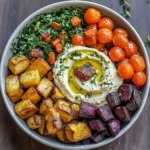
A vibrant plant-based bowl combining savory roasted vegetables with creamy hummus and Mediterranean-inspired toppings. Perfect for quick, healthy lunches or dinners with customizable textures and flavors.
- Prep Time: 10
- Cook Time: 25
- Total Time: 35
- Yield: 4 servings
- Category: Dinner
- Method: Roasting
- Cuisine: Mediterranean
- Diet: Vegetarian
Ingredients
1 head broccoli (cut into florets)
2 bell peppers (halved and seeded)
1 medium zucchini (sliced)
1 pint cherry tomatoes
4 cups hummus (store-bought or homemade)
1/4 cup crumbled feta cheese
1/4 cup toasted pine nuts
Zest of 1 lemon
1 tbsp olive oil
1 tsp smoked paprika
1/2 tsp ground cumin
Salt and pepper to taste
Instructions
Preheat oven to 425°F (220°C)
Combine broccoli, bell peppers, zucchini, and cherry tomatoes in a bowl
Drizzle with olive oil and sprinkle paprika, cumin, salt, and pepper
Spread roasted vegetables on a baking sheet and roast for 25-30 minutes until tender and golden
Divide hummus between 4 bowls, top with roasted vegetables, sprinkle feta and pine nuts, and finish with lemon zest
Notes
For extra protein, add 1 cup cooked quinoa or grilled tofu
Swap pine nuts with toasted pistachios or pumpkin seeds
Leftovers can be stored in an airtight container in the fridge for up to 5 days
Adjust spice ratios to taste; try adding chili flakes or oregano for variation