Slow Cooker Vegetable Curry with Chickpeas
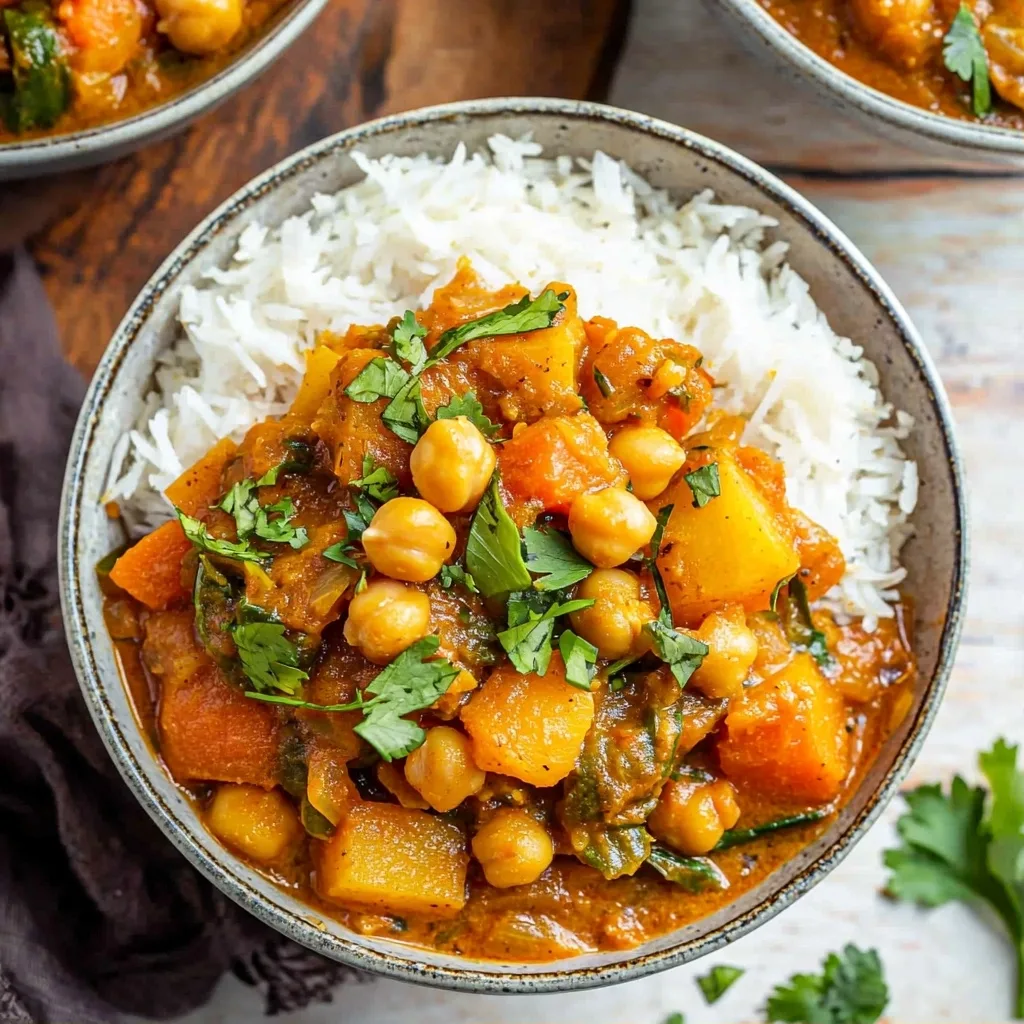
Slow Cooker Vegetable Curry with Chickpeas is the ultimate set-it-and-forget-it dinner that brings bold, aromatic flavors into your kitchen without the stress. As a busy parent in the heart of New York, I know all too well how hard it is to get a nutritious, plant-based meal on the table after a chaotic day, which is why this dish has become a staple in my household.
By combining earthy chickpeas, crisp carrots, and vibrant green beans in a velvety coconut milk base, you create a complex curry that tastes like it spent all day simmering on a traditional Indian stovetop. This Slow Cooker Vegetable Curry with Chickpeas is not just about convenience; it is about filling your home with the intoxicating scent of ginger, garlic, and garam masala while you get back to your life.
What is Slow Cooker Vegetable Curry with Chickpeas?
This recipe is a fusion-style vegetarian curry designed specifically for the modern slow cooker. It draws inspiration from classic Indian vegetable Korma or Chana Masala, utilizing a fragrant spice blend to elevate humble pantry staples like canned chickpeas and diced tomatoes into a restaurant-quality meal.
What makes this dish unique is the way the coconut milk breaks down over the long, slow cooking process to create a luxurious, creamy sauce that clings beautifully to the vegetables. It is a hearty, comfort-food miracle that manages to be both light and incredibly satisfying.
Reasons to Try Slow Cooker Vegetable Curry with Chickpeas
If you are looking to master meatless Mondays, this recipe is your best friend. It is incredibly forgiving and flexible, making it ideal for beginners who worry about burning spices or getting the texture of their veggies wrong. You simply dump, cover, and walk away.
Beyond the ease of preparation, this curry is a nutritional powerhouse. It is packed with plant-based protein from the chickpeas and high-fiber vegetables, ensuring that your family stays full much longer than they would with a typical pasta dish. Plus, it is a brilliant way to clean out your produce drawer before your next grocery run.
Ingredients Needed to Make Slow Cooker Vegetable Curry with Chickpeas
- 2 tablespoons avocado or olive oil
- 2 cups finely chopped white or yellow onion
- 3-4 cloves fresh garlic, minced
- 1 teaspoon grated fresh ginger
- 2 teaspoons sea salt
- 1 teaspoon ground turmeric
- 1 tablespoon garam masala
- 1/4 cup tomato paste
- 1 ½ cups carrots, peeled and chopped
- 2 cups fresh green beans, trimmed and sliced into 1/4-inch pieces
- 14 ounces canned chickpeas, drained and rinsed
- 15 ounces canned fire-roasted diced tomatoes
- 14 ounces canned coconut milk (full-fat for richness or light)
- 1 tablespoon honey (optional, for flavor balance)
- 2 cups fresh baby spinach
- Fresh cilantro for garnish
Instructions to Make Slow Cooker Vegetable Curry with Chickpeas – Step by Step
Step 1: Start by heating your oil in a medium skillet over medium-high heat. Add your finely chopped onions and sauté them for about 3 to 4 minutes until they turn translucent and soft. I always tell friends, don’t rush this part, as the sautéing stage is where the base sweetness of the curry really develops.
Step 2: Add your minced garlic, fresh ginger, sea salt, turmeric, and vibrant garam masala directly into the skillet with the onions. Toast these spices for about 60 seconds; you will know they are ready when your kitchen starts to smell absolutely incredible. Stir in the tomato paste and cook for another 30 seconds to deepen the color and remove that raw tomato acidity.
Step 3: Transfer your aromatic onion and spice base into the slow cooker. Add in the carrots, green beans, rinsed chickpeas, fire-roasted tomatoes, coconut milk, and honey. Give everything a good, steady stir until the tomato paste and spices are fully incorporated into the creamy liquid.
Step 4: Cover your slow cooker and set it to low for 8 to 9 hours or high for 4 to 5 hours. Every slow cooker runs a bit differently, so look for the carrots to be fork-tender and the sauce to have thickened into a beautiful, uniform curry.
Step 5: Just before serving, stir in the fresh baby spinach. The residual heat from the curry will wilt the leaves perfectly in about 30 seconds. Ladle the curry over your favorite grain, sprinkle generously with fresh cilantro, and enjoy the fruits of your labor.
Chef’s Tips for a Perfect Result
- Always toast your dry spices in the oil; this “blooming” process extracts fat-soluble compounds which creates a significantly deeper flavor profile.
- Stick to full-fat canned coconut milk if you want a truly decadent, restaurant-style mouthfeel; light coconut milk works if you want a lighter end product.
- If your curry seems too thick after cooking, stir in a splash of warm water or additional vegetable broth to reach your desired consistency.
- Always stir the spinach in at the very end; if you add it too early, it will lose its vibrant color and turn into a mushy texture.
Variations and Substitutions
- Vegan Option: The recipe is naturally vegan if you omit the honey or swap it for agave nectar or maple syrup.
- Low-Carb Version: Replace the chickpeas with cauliflower florets and serve over cauliflower rice instead of traditional basmati rice.
- Budget Swap: Use frozen mixed vegetables like peas, corn, and carrots to replace the fresh green beans and save on prep time.
How to Serve and Pair
This curry is best served over a fluffy bed of basmati or jasmine rice to soak up the luxurious sauce. For an authentic touch, serve it with warm garlic naan or toasted pita bread. If guests are coming over, place a side of cooling cucumber raita or spicy mango chutney on the table to offer contrasting textures and temperatures.
Storage and Reheating
Refrigerator: Store leftovers in an airtight glass container for up to 4 days. The flavors actually intensify overnight, making it a perfect “leftover lunch” for the next work week.
Freezer: Place the cool curry into a freezer-safe bag or container. It will stay fresh for up to 2 months. Thaw overnight in the fridge before reheating.
Reheating: Use a stovetop saucepan over medium-low heat. Stir occasionally to prevent sticking. If it has thickened too much, add a tablespoon of water.
Nutritional Values
Approximate values per serving (based on light coconut milk):
- Calories: 259 kcal
- Protein: 7g
- Carbohydrates: 34g
- Fat: 11g
- Fiber: 9g
Approximate values. Disclaimer: Nutrition data is an estimate only.
Frequently Asked Questions (FAQ)
Can I swap chickpeas for another protein?
Yes, you can substitute chickpeas with cubed firm tofu or even white beans like cannellini to keep the texture similar. Keep in mind that softer proteins may break down more during the long cook time.
How do I know when the curry is perfectly finished?
The best indicator is the tenderness of the carrots; once they are easily pierced with a fork and the sauce has reduced and thickened, your curry is ready.
Why is my curry sauce too thin?
If your sauce looks too watery, it is usually because the lid was not sealed tight or your slow cooker runs low heat. To fix this, leave the lid off and set it to high for an additional 20 minutes to evaporate excess liquid.
Can I prep this the night before?
You can certainly assemble the onion-spice base in a bowl and store it in the fridge the night before, then add it to the slow cooker in the morning to save time.
What is the secret to a more authentic flavor?
The secret is using high-quality garam masala and ensuring you bloom the spices in hot oil, which awakens the oils in the dried spices.
Conclusion
This Slow Cooker Vegetable Curry with Chickpeas proves that you do not need hours of hands-on labor to create a meal bursting with warmth and personality. It is a reliable, crowd-pleasing dish that makes healthy eating feel like an indulgence rather than a chore. Whether you are a seasoned cook or just starting your journey, the complex, fragrant spices in this curry will keep you coming back to this recipe time and time again.
PrintSlow Cooker Vegetable Curry with Chickpeas
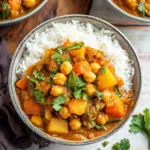
This nutrient-packed vegetable curry is the ultimate set-it-and-forget-it plant-based dinner. Featuring earthy chickpeas, crisp carrots, and vibrant green beans simmered in a velvety, aromatic coconut milk base, this dish captures the essence of a traditional Indian stovetop curry. With a warming blend of ginger, garlic, and garam masala, it is a convenient, luxurious, and satisfying meal perfect for busy weeknights.
- Prep Time: 15
- Cook Time: 360
- Total Time: 375
- Yield: 6 servings
- Category: Dinner
- Method: Slow Cooking
- Cuisine: Indian-Fusion
- Diet: Vegetarian
Ingredients
2 tablespoons avocado or olive oil
2 cups finely chopped white or yellow onion
3-4 cloves fresh garlic, minced
1 teaspoon grated fresh ginger
2 teaspoons sea salt
1 teaspoon ground turmeric
1 tablespoon garam masala
1/4 cup tomato paste
1 ½ cups carrots, peeled and chopped
2 cups fresh green beans, trimmed and sliced
14 ounces canned chickpeas, drained and rinsed
15 ounces canned fire-roasted diced tomatoes
14 ounces canned coconut milk
1 tablespoon honey (optional)
2 cups fresh baby spinach
Fresh cilantro for garnish
Instructions
Place the oil, onion, garlic, ginger, salt, turmeric, garam masala, and tomato paste into the slow cooker and stir to combine.
Add the carrots, green beans, chickpeas, fire-roasted tomatoes, and coconut milk.
Stir well until all ingredients are incorporated.
Cover and cook on low for 6 to 8 hours or on high for 3 to 4 hours.
Stir in the fresh baby spinach during the final 5 minutes of cooking until wilted.
Serve warm, garnished with fresh cilantro.
Notes
Use full-fat coconut milk for optimal creaminess. This dish stores well in an airtight container for up to 4 days in the refrigerator.