Greek Meze Power Bowl
The Greek Meze Power Bowl is the ultimate solution for those busy NYC weeknights when you want something vibrant, fresh, and deeply satisfying without spending hours in the kitchen. Combining the earthy crunch of whole-grain grains with the salty pop of halloumi and velvety homemade hummus, this dish brings the colorful spirit of a Mediterranean cafe straight to your table.
Crafting a Greek Meze Power Bowl at home is all about balancing textures and bright, herbaceous notes. Whether you are meal prepping for the week or putting together a quick lunch for friends, this hearty bowl is a reliable go-to that never feels like a compromise.
What is a Greek Meze Power Bowl?
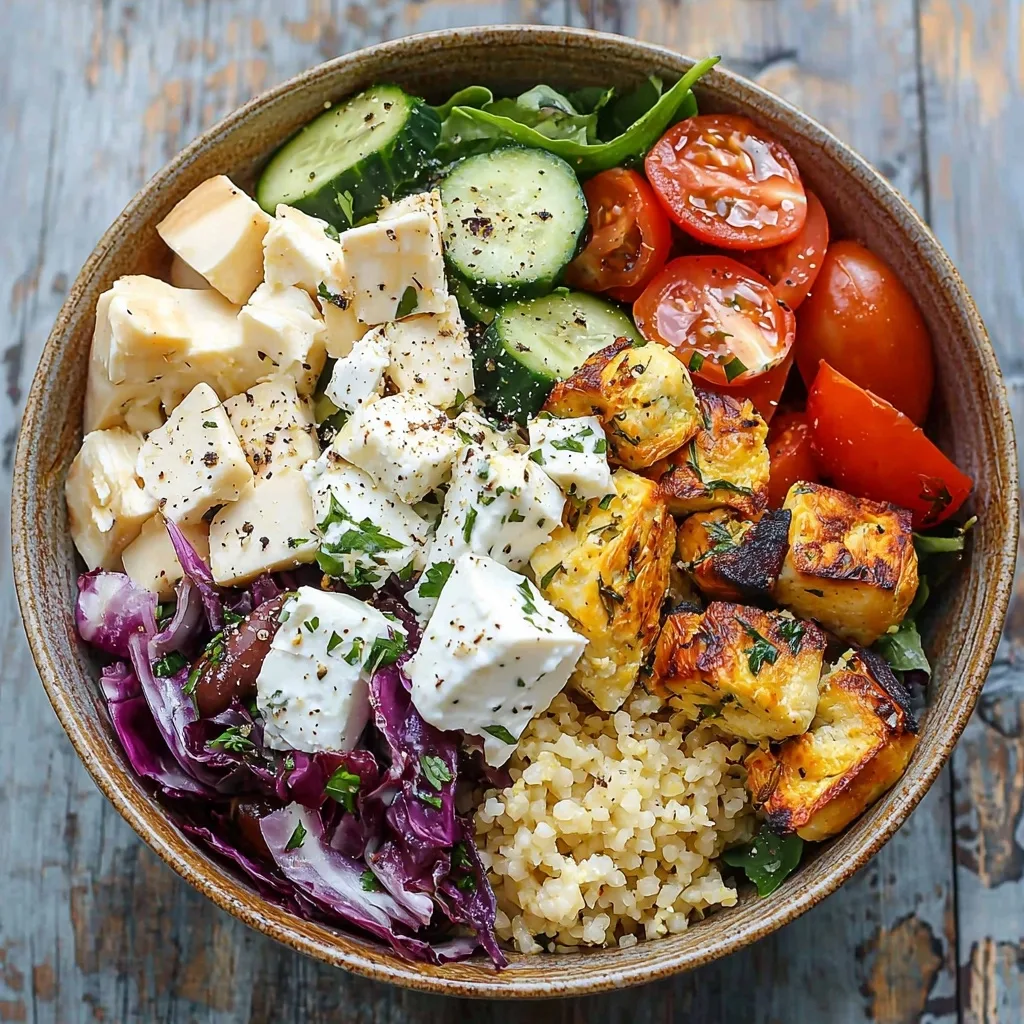
This bowl is a curated collection of classic Greek small plates, or meze, transformed into a nutritionally dense meal. It centers around a foundation of hearty bulgur wheat or quinoa topped with a fresh, crisp salad, savory fried halloumi cheese, and a dollop of creamy chickpea hummus.
Think of it as a deconstructed Mediterranean platter designed for ease. By mixing the traditional ingredients of a Greek salad with protein-packed grains and warm pita triangles, you get a balanced, restaurant-quality meal that fits perfectly into your modern lifestyle.
Reasons to Try This Greek Meze Power Bowl
One of the main reasons to love this recipe is its sheer versatility. If you are a busy parent or a student living in a fast-paced city, you will appreciate that most of the components can be prepped in advance, making assembly a breeze after a long, exhausting day.
Beyond the convenience, the flavor profile is punchy and refreshing. The combination of briny Kalamata olives, sharp red onions, and cool mint creates an irresistible, lively contrast against the warm, squeaky halloumi. It is the kind of dish that makes eating your daily greens feel like a genuine culinary treat rather than a chore.
Ingredients Needed to Make This Greek Meze Power Bowl
- 2 cups cooked bulgur wheat or fluffy quinoa
- 2-3 cups fresh baby spinach
- 2 tablespoons plus 1/2 tablespoon olive oil (divided)
- 2 tablespoons plus 1 tablespoon red wine vinegar (divided)
- 10 ounces halloumi cheese, sliced into strips
- 2 pieces pita bread, toasted and cut into triangles
- 4 pickled artichoke hearts, sliced in half
- 1/3 cup pitted Kalamata olives
- 1/2 English cucumber, seeded and diced
- 1 1/2 cups cherry tomatoes, halved
- 1 small red onion, thinly sliced
- A generous handful of fresh mint leaves, roughly torn
- 14 ounces canned chickpeas, rinsed and drained
- 1 tablespoon fresh lemon juice
- 1 tablespoon tahini paste
- 1 teaspoon paprika
- Sea salt and freshly ground black pepper to taste
Instructions to Make This Greek Meze Power Bowl – Step by Step
Step 1: Start by creating your creamy base. Combine the rinsed chickpeas, lemon juice, tahini, paprika, and a pinch of salt and pepper in a food processor, pulsing until the mixture reaches a smooth, consistent texture. Refrigerate this hummus to let the flavors meld while you prep the other elements.
Step 2: Heat a half-tablespoon of olive oil in a non-stick skillet over medium-high heat. Carefully place your halloumi slices into the hot pan and fry them for about 3 to 4 minutes per side until they develop a gorgeous, golden-brown crust. Remove them from the heat and set aside to rest.
Step 3: In a large mixing bowl, combine the baby spinach, tomatoes, cucumbers, olives, and red onions. Drizzle the remaining two tablespoons of olive oil and the vinegar over the top, then season with salt and pepper. Toss everything together vigorously to ensure every leaf of spinach is coated in that delicious dressing, finishing with a scatter of fresh mint.
Step 4: Now for the fun part: assembly. Divide the dressed spinach and veggie mix among four individual bowls. Place a generous scoop of cooked bulgur or quinoa next to the greens, then top with a dollop of your homemade hummus, the warm halloumi slices, and the pickled artichoke halves. Tuck the pita triangles into the side, sprinkle with a little extra cracked pepper, and dive in.
Chef’s Tips for a Perfect Result
- Pat your chickpeas very dry after rinsing to ensure the smoothest, creamiest hummus consistency.
- Always fry the halloumi right before serving so it stays warm and maintains that signature squeaky texture.
- Use a mandoline to slice your red onions paper-thin to keep the flavor bite-sized and evenly distributed throughout the salad.
- If you have time, let the quinoa or bulgur cool slightly before adding to the salad to prevent wilting the fresh spinach too quickly.
Variations and Substitutions
- Vegan Option: Swap the halloumi for marinated extra-firm tofu or roasted chickpeas for a hearty, plant-based protein boost.
- Gluten-Free Alternative: Replace the bulgur wheat with quinoa, which is naturally gluten-free and adds a slightly nutty, protein-rich profile.
- Low-Carb Version: Simply omit the pita and the grain base, or swap them for more leafy greens and extra cucumber to keep the bowl crisp without the heavier carbohydrates.
- Budget Swap: If fresh artichokes are out of season or too pricey, try adding roasted bell peppers or extra pickled peppers for a similar tangy kick.
How to Serve and Pair
Serve these bowls in wide, shallow ramekins or large pasta plates to showcase all the beautiful colors. Pair them with a chilled glass of sparkling water infused with lemon or a traditional iced tea. These bowls are perfect for a casual neighborhood lunch or a light, sophisticated dinner when you want to minimize cleanup.
Storage and Reheating
Refrigerator: Store the salad and grains in airtight containers for up to 2 days; keep the dressing separate if possible to avoid wilting. Hummus will stay fresh in an airtight container for up to 4 days.
Freezer: Avoid freezing the assembled salad. However, the hummus freezes perfectly for up to 3 months when stored in a freezer-safe bag or container.
Reheating: If you prefer to warm the bulgur, do so in the microwave with a splash of water to keep it hydrated. Reheat the halloumi in a dry skillet for 30 seconds until warm, but avoid microwaving it as it will become tough and rubbery.
Nutritional Values
Approximate values per serving (based on 4 servings):
- Calories: 881 kcal
- Protein: 37g
- Carbohydrates: 109g
- Fat: 36g
- Fiber: 24g
Approximate values.
Frequently Asked Questions (FAQ)
Can I substitute the bulgur with other grains?
Yes, you can absolutely substitute bulgur with quinoa, farro, or even couscous depending on what you have in your pantry. Each of these will provide a unique texture, though quinoa adds an extra nutritional boost of complete protein.
How do I know when the halloumi is perfectly cooked?
The halloumi is done when it develops a deep, golden-brown crust on both sides, which typically takes about 3 to 4 minutes per side over medium-high heat. Watch carefully so it doesn’t burn, as the cheese contains sugar that can caramelize quickly.
Why is my hummus gritty instead of smooth?
Gritty hummus is usually caused by not blitzing the chickpeas for long enough or leaving too much moisture on them before blending. Make sure to process the hummus for at least two to three minutes, scraping down the sides of the processor periodically.
Can I assemble these bowls the night before?
You can definitely prep the ingredients in advance, but for the best experience, keep the components in separate containers. Assemble the fresh greens, dress them, and add the warm halloumi right before serving to maintain the best possible texture.
What is the best way to customize this bowl for a crowd?
Set up a build-your-own meze station where guests can choose their own quantities of hummus, vegetables, and halloumi. This allows everyone to adjust the ingredient ratios to their personal liking while keeps the components fresh and crisp.
Conclusion
Mastering a Greek Meze Power Bowl is a fantastic way to bring bold, Mediterranean-inspired energy into your home cooking routine. With its perfect balance of fresh vegetables, creamy protein, and golden halloumi, this dish is guaranteed to become a household favorite. Now it is time for you to grab your apron, get into your kitchen, and experience that incredible hit of salt, acid, and earthiness for yourself.
PrintGreek Meze Power Bowl
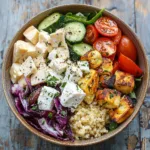
The Greek Meze Power Bowl is an ultimate solution for busy weeknights, offering a vibrant and deeply satisfying meal. By combining the earthy, nutty texture of bulgur wheat with the salty pop of halloumi and velvety homemade hummus, this bowl captures the essence of a Mediterranean cafe. It is a nutritionally dense, deconstructed platter designed for ease, versatility, and refreshing flavor, making it the perfect culinary treat for anyone seeking a healthy, restaurant-quality meal at home.
- Prep Time: 20
- Cook Time: 10
- Total Time: 30
- Yield: 2 servings
- Category: Dinner
- Method: Pan-searing and Assembly
- Cuisine: Mediterranean
- Diet: Vegetarian
Ingredients
2 cups cooked bulgur wheat or fluffy quinoa
2-3 cups fresh baby spinach
2.5 tablespoons olive oil, divided
3 tablespoons apple cider vinegar, divided
10 ounces halloumi cheese, sliced into strips
2 pieces pita bread, toasted and cut into triangles
4 pickled artichoke hearts, halved
1/3 cup pitted Kalamata olives
1/2 English cucumber, seeded and diced
1 1/2 cups cherry tomatoes, halved
1 small red onion, thinly sliced
1 handful fresh mint leaves, torn
1 1/2 cups chickpeas, rinsed and drained
1 tablespoon fresh lemon juice
1 tablespoon tahini paste
1 teaspoon paprika
Sea salt and black pepper to taste
Instructions
In a food processor, blend chickpeas, 1 tbsp olive oil, lemon juice, tahini, paprika, and a pinch of salt until smooth to create the hummus.
In a small bowl, whisk together 1.5 tbsp olive oil and the apple cider vinegar; season with salt and pepper to create a dressing.
Heat a non-stick skillet over medium-high heat and sear halloumi strips for 1-2 minutes per side until golden brown and squeaky.
Divide the cooked bulgur or quinoa into serving bowls.
Top each bowl with a handful of spinach, cucumber, tomatoes, red onions, artichokes, and Kalamata olives.
Add a generous dollop of the homemade hummus to each bowl.
Arrange the warm halloumi and toasted pita triangles on top.
Drizzle the prepared dressing over the vegetables and garnish with fresh mint.
Notes
Ensure you use apple cider vinegar as a non-alcoholic substitute for red wine vinegar. Halloumi is best served warm immediately after pan-searing. Store dressing separately from fresh vegetables if prepping in advance.